What are access control doors and how do they work?
Access control doors play a vital role in security management. According to a report by the Security Industry Association, the global market for access control systems is projected to reach $13 billion by 2025. This growth highlights their importance in protecting sensitive areas. Expert James Matthews, a renowned figure in this field, states, "Access control doors are integral to modern security strategies."
These doors use electronic systems to restrict entry and monitor access. They often include keypads, biometric readers, or card readers. These features ensure only authorized individuals can enter specific locations. User data is a key aspect; it helps organizations adapt their security measures effectively. However, many companies still struggle with implementing these systems flawlessly.
The misunderstanding of technology integration often leads to security gaps. Organizations may invest in access control doors without comprehensive training for staff. This oversight can create vulnerabilities, making a thorough understanding crucial. As security needs evolve, ongoing education and adjustment become vital for success. Implementing access control doors may seem straightforward, but the challenge lies in execution.
What Are Access Control Doors?
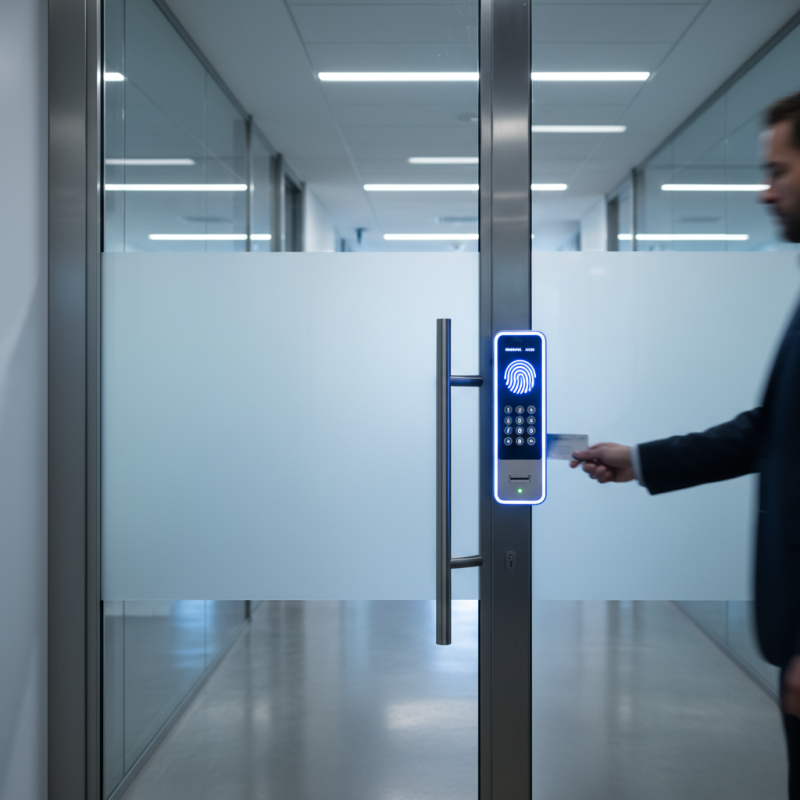
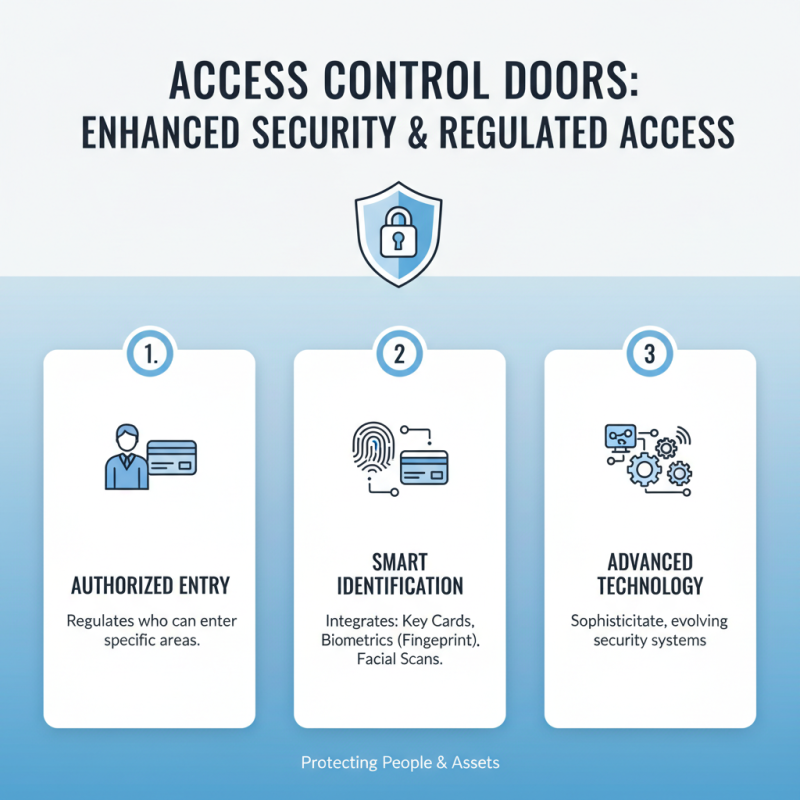
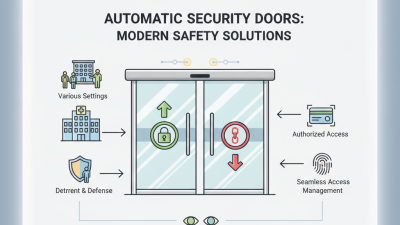
Access control doors play a crucial role in enhancing security. These specialized doors regulate who can enter specific areas. They often integrate with various identification systems, such as key cards or biometric devices. This ensures that only authorized personnel have access. The technology behind these doors is becoming increasingly sophisticated.
Typically, access control doors work through a locking mechanism that responds to user credentials. When a person approaches, they present their identification. The system validates this credential against a database. If it matches, the door unlocks. It’s a streamlined process but can sometimes fail, leading to frustration.
Some environments may still rely on traditional locks. This creates a gap in security. Multiple users may end up sharing keys, which is risky. Moreover, maintaining these systems can be a challenge. Regular updates and checks are necessary to ensure effectiveness. Overlooking these aspects can leave a facility vulnerable. Access control doors represent progress, but they require ongoing attention to be truly effective.
Key Components of Access Control Doors
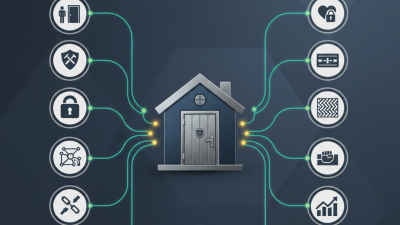
Access control doors are vital in maintaining security for buildings. They prevent unauthorized entry and protect valuable resources. Various components work together to ensure their effectiveness.
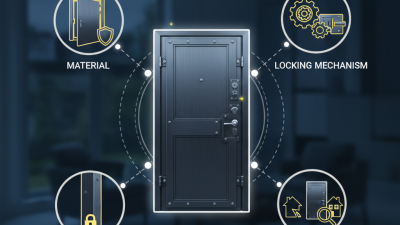
Key components include locks, card readers, and sensors. Locks can be electronic or mechanical. They secure the door and respond to signals from a control system. Card readers authenticate users, allowing access to those with the correct credentials. Sensors, such as motion detectors, monitor activity around the door. They alert security personnel if someone attempts unauthorized entry.
Tips: When choosing access control systems, consider future needs. Systems should be scalable and adaptable. Regular maintenance is crucial. This ensures the components function effectively.
Additionally, integrating alarms can enhance security. Alarms can be triggered by unauthorized attempts. This adds an extra layer of protection. Remember, even the best systems can fail occasionally. Evaluate and improve your approach to security regularly.
How Access Control Systems Operate
Access control systems play a vital role in modern security. They regulate who can enter certain areas. These systems often include access control doors that only allow authorized individuals through. Typically, a security card or a biometric scanner is used for entry. When a person approaches, the system verifies their credentials before unlocking the door.
It's important to consider the user experience. If a system is too complicated, it can frustrate users. A well-designed access point should be easy to use. A simple card reader could be a great option. However, excessive reliance on technology can create problems. For example, systems can malfunction, leaving users unable to enter.
Tips for effective access control include regular maintenance checks. System updates ensure software functions correctly. Additionally, training staff on how to use the system is crucial. They should also know what to do in case of a failure. Lastly, always have a backup plan. This minimizes disruptions in daily operations. Remember, security is only as strong as its weakest link.
Access Control System Usage Frequency
This chart illustrates the frequency of usage for various access control methods in today's security systems. Card readers are the most utilized, followed by keypads and biometric scanners. Mobile access and remote access are emerging techniques gaining popularity.
Types of Access Control Doors Available
Access control doors are essential for maintaining security in various settings. They restrict entry while allowing authorized individuals access. There are several types of access control doors available, each serving specific needs.
One common type is the electronic access door. These doors use key cards or biometric scanners for entry. Users simply swipe a card or place a finger on a scanner. This technology provides a convenient way to ensure only authorized personnel enter secure areas. However, it’s important to regularly update access permissions. Outdated access can pose security risks.
Another type is the mechanical access door. These doors typically rely on locks and keys. While they may seem old-fashioned, they are still effective in certain situations. Regularly changing locks is crucial to prevent unauthorized access. Consider creating a system for key distribution to avoid losing control over who has entry.
Tip: Always assess the level of security needed for specific areas. A balance between accessibility and safety can help maintain efficiency. Sometimes, a more complex solution may not be the best fit. Listen to user feedback to improve your access control system.
What are access control doors and how do they work? - Types of Access Control Doors Available
| Type of Access Control Door |
Description |
Mechanism |
Common Use Cases |
| Magnetic Lock Doors |
Uses an electromagnetic lock to secure doors. |
Triggered by access cards or keypads. |
Office buildings, data centers. |
| Keypad Entry Doors |
Secured with a numeric keypad for entry. |
Users enter a code to gain access. |
Residential entry, office supply rooms. |
| Biometric Access Doors |
Utilizes fingerprint or facial recognition for securing. |
Identifies users through biological traits. |
High-security areas, government buildings. |
| Smart Door Locks |
Controlled via smartphone apps or Wi-Fi enabled systems. |
Remote access and monitoring capabilities. |
Smart homes, modern offices. |
| RFID Access Control Doors |
Uses RFID tags for identity verification. |
Tags are scanned at entry points. |
Libraries, transport facilities. |
Benefits of Using Access Control Doors
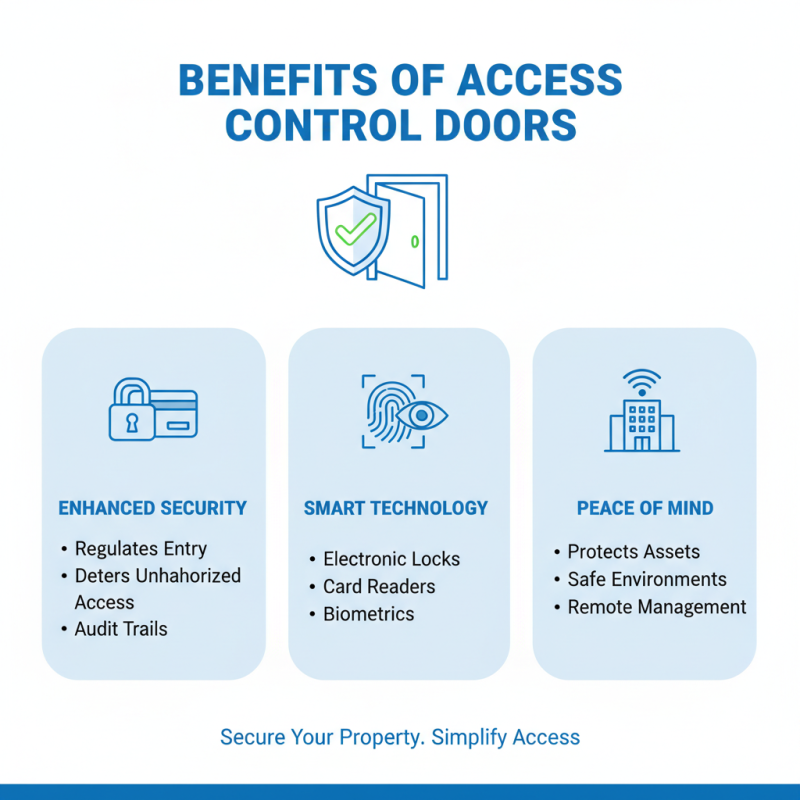
Access control doors serve an important role in securing both residential and commercial properties. These systems regulate who can enter specific areas. They use electronic locks, card readers, or biometric scanners to grant access. The technology involved can be complex, but how it works is straightforward. A user presents identification, and the system decides whether to allow entry.
The benefits of using access control doors are significant. They enhance security by restricting entry to authorized personnel. This minimizes the risk of theft or vandalism. Additionally, access control systems can be monitored remotely. This allows for real-time tracking of who enters and exits a building. Not every application is perfect, though. Some users may find the system confusing or inconvenient at times.
Moreover, these doors can help organizations manage access based on time. For instance, staff may have entry during work hours, while visitors have limited access. This control can be crucial in an emergency. However, like any system, it requires regular updates and maintenance. Neglecting this can create vulnerabilities, making effective implementation vital for safety.


 Automatic Doors, Inc.