Why Choose Access Control Doors for Enhanced Security Solutions?
Access control doors are essential for modern security systems. They provide a reliable solution to manage entry points effectively. With rising security concerns, these doors offer a robust layer of protection for homes and businesses.
Investing in access control doors means investing in peace of mind. These systems can be tailored to meet specific needs. Advanced features such as keycard access or biometric recognition are game-changers. They elevate security by ensuring only authorized individuals gain entry. However, even advanced systems can face challenges. Regular maintenance is critical to avoid lapses in security.
Implementing access control doors requires a thoughtful approach. It’s important to assess your security needs accurately. Misunderstanding your requirements can lead to vulnerabilities. Always consult with security professionals who can provide in-depth insights. Their expertise ensures a reliable, effective solution that truly enhances safety.
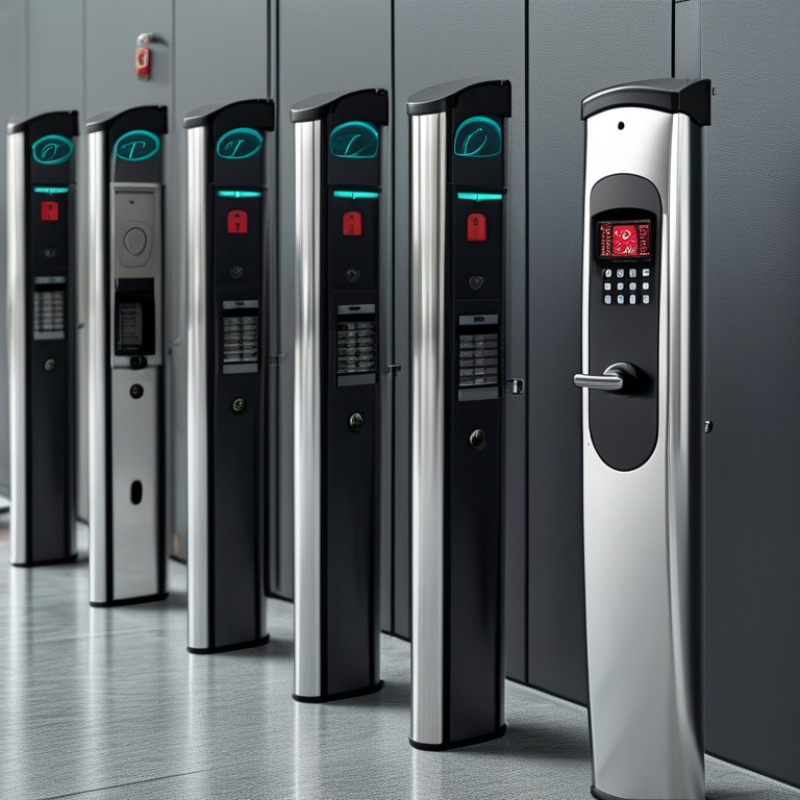
Benefits of Access Control Doors for Improved Security Measures
Access control doors provide an essential layer of security for various establishments. According to a recent industry report, organizations implementing access control systems see a reduction in unauthorized access incidents by up to 50%. This significant statistic highlights the effectiveness of these solutions. Access control doors allow for tailored access permissions, granting entry only to authorized personnel. The use of key cards, biometric recognition, and PIN codes enhances security beyond traditional locks.
Integrating access control doors also simplifies security management. Organizations can monitor entry and exit points in real time. This feature is crucial in emergencies, as it allows for quick responses to potential breaches. Furthermore, it aids in maintaining a detailed log of who accessed restricted areas. Industry data shows that businesses with enhanced monitoring capabilities reduce response times to security alerts by an average of 30%.
Consider setting up role-based access control. This method limits access based on the individual's job function. Regularly review access permissions to ensure they remain appropriate. Keep in mind that over-permission can expose vulnerabilities. Regular audits can help identify areas needing improvement and enhance overall security. Ultimately, effective use of access control doors can lead to improved safety and peace of mind.
Types of Access Control Systems Used in Door Security
Access control systems are crucial for securing entry points in various environments. These systems help to regulate who can enter a facility, ensuring that only authorized personnel have access. According to a recent industry report, organizations that implement access control measures can reduce unauthorized entry incidents by over 70%. This substantial reduction highlights the importance of choosing the right type of access control door.
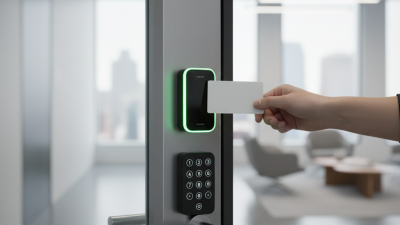
Common types of access control systems include keycard systems, biometric scanners, and mobile access solutions. Keycard systems provide convenience and can track entry history. Biometric scanners use unique physical traits, like fingerprints or facial recognition, to enhance security. Mobile access solutions, meanwhile, allow users to enter premises via their smartphones, which has grown in popularity in recent years. In fact, a report indicated that 55% of businesses are already exploring mobile solutions for their access control needs.
Keep in mind that even the best system can have vulnerabilities. Regular audits and updates are essential to maintain security integrity. Ensure all components are functioning correctly. Rotating access credentials periodically can prevent unauthorized access effectively. Implementing these proactive measures can significantly enhance your overall security strategy.
Key Features of Access Control Doors in Enhanced Safety Solutions
Access control doors are vital for enhancing security in various settings. These systems offer significant advantages in controlling access to restricted areas. According to recent industry reports, organizations that implement access control measures can reduce unauthorized access incidents by up to 70%. This data highlights the importance of robust security solutions in protecting sensitive information and ensuring safety.
Key features of access control doors include authentication methods, such as biometrics or card readers. These technologies ensure only authorized personnel can enter specific areas. Additionally, remote monitoring capabilities allow security personnel to oversee access events in real time. This feature is particularly crucial in critical environments, such as data centers or laboratories, where sensitive materials are handled.
You might consider the location of your access control system carefully. Positioning entry points strategically can further enhance security. Regularly updating access permissions is also essential. Reflecting on the balance between accessibility and security can help refine your approach. Ultimately, while access control doors provide powerful protection, ongoing assessments and updates are necessary to adapt to evolving threats.
Key Features of Access Control Doors in Enhanced Safety Solutions
The Role of Access Control Doors in Modern Security Management
Access control doors play a vital role in modern security management. These doors integrate advanced technology to monitor who enters and exits a building. A study by the Security Industry Association states that access control systems can reduce unauthorized entries by up to 75%. This improvement enhances overall security effectiveness. Implementing these systems can significantly deter criminal activities.
Access control doors offer customizable solutions. They can be integrated with surveillance cameras and alarm systems. This creates a comprehensive security framework that addresses various threats. According to a report by Research and Markets, the global access control market is projected to grow at a rate of 8.5% annually through 2027. Investing in such systems is becoming an industry standard.
To maximize the benefits, businesses should regularly review their access policies. Conducting security audits can identify vulnerabilities and improve protocols. Training staff to recognize potential risks is crucial. Regular updates to software and hardware also ensure the system remains effective against evolving threats. Engaging with security professionals can provide insights into best practices.
Why Choose Access Control Doors for Enhanced Security Solutions?
| Feature |
Description |
Benefits |
| Keyless Entry |
Allows access without physical keys, using cards, biometrics, or codes. |
Reduces key management issues and enhances convenience. |
| Audit Trails |
Records entries and exits, providing a log of who accessed which areas. |
Enhances accountability and can aid in investigations. |
| Remote Access Control |
Allows security personnel to manage access from a remote location. |
Increases flexibility and immediate response capabilities. |
| Integration with Security Systems |
Can be integrated with CCTV, alarms, and other security systems. |
Creates a comprehensive security solution and improves incident response. |
| Customizable Access Levels |
Enables defining specific access rights based on roles or needs. |
Enhances security by restricting access to sensitive areas only to authorized personnel. |
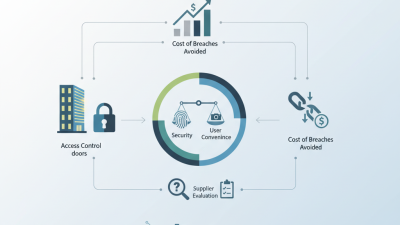
Tips for Selecting the Right Access Control Door System for Your Needs
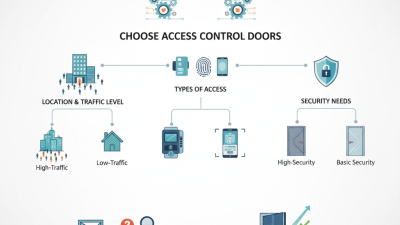
When selecting an access control door system, several factors should guide your decision. Assess security needs specific to your location. For example, clear high-risk areas, such as entrances to sensitive departments, might require stricter access controls.
Consider the technology used. Smart keypads and biometric readers provide robust security. However, these systems can be complex. Training may be necessary for users to avoid any hiccups.
Evaluate the design and ease of use. Doors should blend seamlessly with your environment. Functionality matters too. Systems should allow for quick access during emergencies while preventing unauthorized entry. Not all access controls work well under pressure. Monitor user feedback for improvements.
Even the best systems may face issues over time. Regularly reviewing performance can help in making adjustments necessary. Always prioritize flexibility for future upgrades as technology evolves.



 Automatic Doors, Inc.