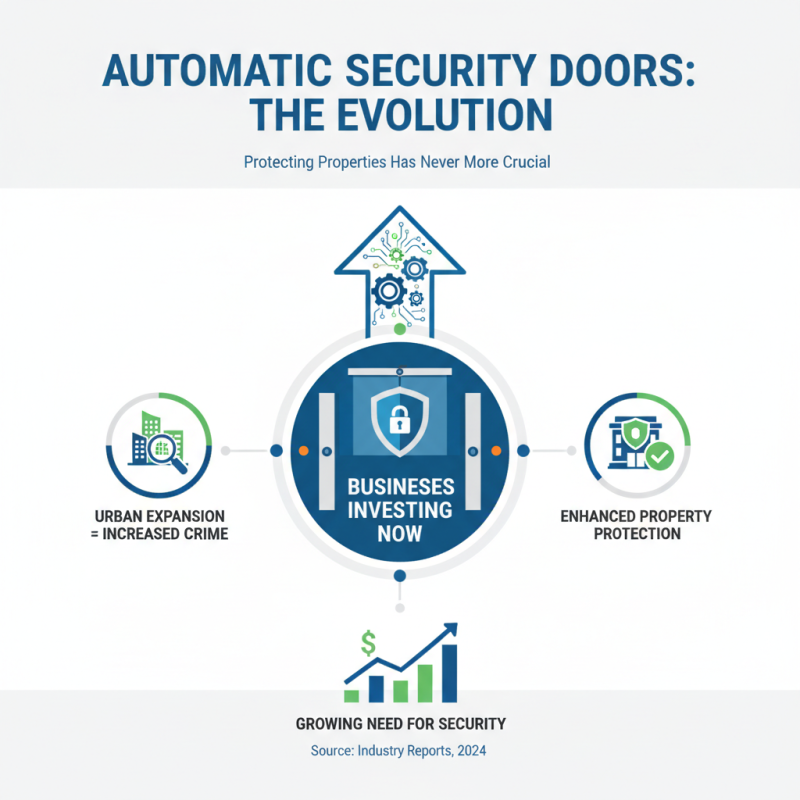
Why Are Automatic Security Doors Essential for Modern Safety Solutions?
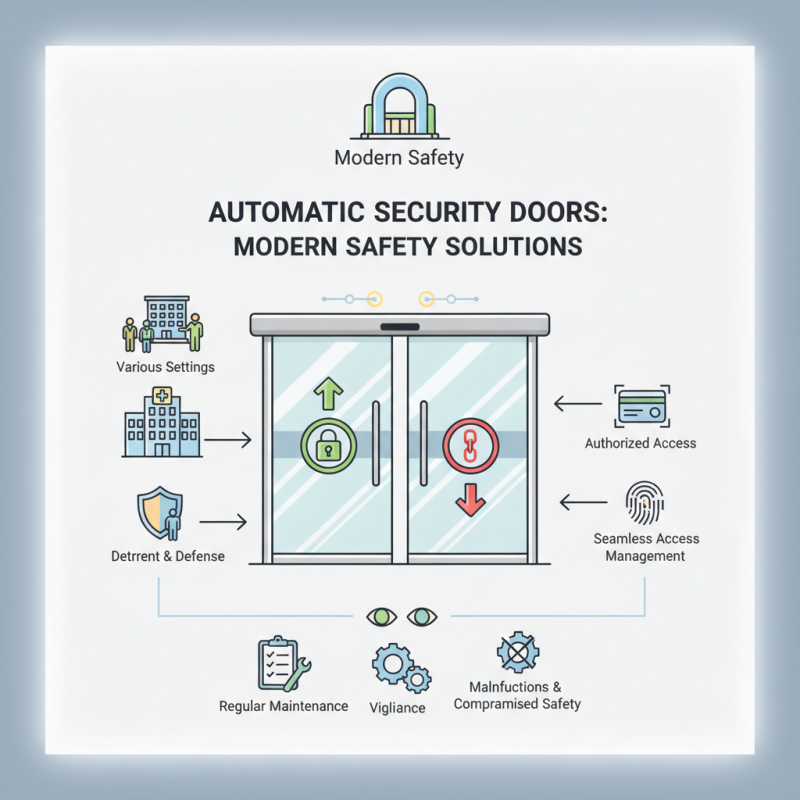
In today's world, safety is a paramount concern. Automatic security doors play a crucial role in enhancing safety across various settings. These systems act as both a deterrent and a defense mechanism against unwanted access.
Imagine a busy office building or a hospital. The presence of automatic security doors can significantly reduce risks associated with unauthorized entry. These doors provide a seamless way to manage access while ensuring that only authorized individuals can enter. The convenience they offer cannot be overstated.
However, the implementation of automatic security doors comes with challenges. Regular maintenance is necessary to ensure their effectiveness. Neglect can lead to malfunctions, which compromises safety. It’s vital to stay vigilant about these systems, reflecting on their importance in modern safety solutions. In essence, automatic security doors are not just an addition; they are a necessity in a world where security threats are all too prevalent.
The Role of Automatic Security Doors in Enhancing Safety Protocols
Automatic security doors play a crucial role in modern safety protocols. These doors respond quickly to various threats. They can be integrated with access control systems. This allows efficient monitoring of who enters and exits. In high-traffic areas, automatic doors reduce bottlenecks, enhancing overall safety.
While these systems are effective, challenges remain. Improper installation can lead to malfunctions. Regular maintenance is vital. Even the best technology can fail without proper care. Moreover, relying solely on these doors may create a false sense of security.
Training staff to understand security systems is essential. Individuals must be aware of emergency procedures. Education can prevent panic during critical moments. Automatic security doors enhance safety but should not replace comprehensive security protocols. Continuous evaluation of these systems is crucial for lasting effectiveness.
Key Features of Automatic Security Doors that Ensure Protection
Automatic security doors are vital for enhancing safety in modern environments. These doors integrate advanced technology and design, making them effective barriers against unauthorized access. According to a report by the Security Industry Association, automatic doors can reduce the risk of break-ins by up to 30%. This statistic highlights the importance of these systems in today’s security landscape.
Key features of automatic security doors include sensor technologies and robust locking mechanisms. Many doors employ motion sensors to detect movement. This capability allows for quick responses to potential threats. Additionally, some systems offer remote monitoring options. Users can oversee door activity from their devices, adding another layer of safety. Despite these benefits, there are concerns about potential vulnerabilities. Security flaws can arise if doors are not regularly updated or maintained.
Moreover, the aesthetic appeal of these doors cannot be overlooked. They can complement modern architecture while providing necessary protection. This balance between security and design makes automatic doors an appealing choice for businesses. Yet, ensuring that the installation meets safety standards is crucial. Regular training for staff is also essential to maximize these doors' effectiveness.
Benefits of Implementing Automatic Security Doors in Various Environments
Automatic security doors are gaining popularity in various environments. They offer numerous benefits that enhance safety and convenience. Businesses, schools, and hospitals find these doors essential. They provide quick access while controlling who enters. This creates a safer atmosphere and reduces unauthorized entry.
Implementing automatic security doors can be straightforward. However, proper installation and maintenance are key. Ensure that sensors work correctly. Regular checks can prevent malfunctions. This is crucial for keeping everyone safe.
Consider the flow of traffic in your space. Automatic doors can accommodate high-traffic areas well. They also reduce the risk of accidents. For example, heavy doors can pose dangers. Automatic options offer a safe alternative for all. Always reflect on the needs of your environment, as they can change over time.
Comparative Analysis: Automatic Security Doors vs. Traditional Security Methods
Automatic security doors offer a dynamic evolution in safety measures. Traditional methods rely heavily on manual lock systems, which can be vulnerable to tampering. A study by the Security Industry Association noted up to 30% of break-ins occur due to ineffective locking mechanisms. In contrast, automatic doors employ advanced technology for seamless access control.
These doors can incorporate biometric systems for heightened security. Such features reduce risk and enhance convenience. According to a recent report, locations using automatic security doors reduce unauthorized access incidents by 40%. Traditional security systems don’t provide the same level of reliability. They may struggle with response times during emergencies, causing potential delays in safety actions.
Yet, there are considerations. Not all facilities may have the infrastructure for automatic systems. The initial cost can be high, which some organizations find challenging. Additionally, reliance on technology raises concerns about power failures. Ensuring backup systems must be a priority for overall safety. The balance between advanced tech and practical implementation remains essential in today's security strategies.




 Automatic Doors, Inc.