Exploring the Benefits of Automatic Swing Doors for Modern Buildings and Accessibility
In today's ever-evolving architectural landscape, the integration of
automatic swing doors has become a cornerstone for enhancing
accessibility and convenience in modern buildings. According to
the International Code Council (ICC), automatic doors can reduce barriers for individuals with
disabilities, aligning with the Americans with Disabilities Act (ADA)
requirements while also improving the overall flow of pedestrian traffic. Statistics from a report by the
National Kitchen and Bath Association (NKBA) indicate that buildings
equipped with automatic swing doors experience up to a 30% increase in
foot traffic, reflecting both their user-friendly design and functionality. These doors not only provide a
seamless entry and exit experience but also ensure that buildings maintain energy efficiency by minimizing
air leakage. As we delve deeper into the myriad benefits of automatic swing doors, it becomes evident that
they play a critical role in creating inclusive, efficient, and modern architectural environments.
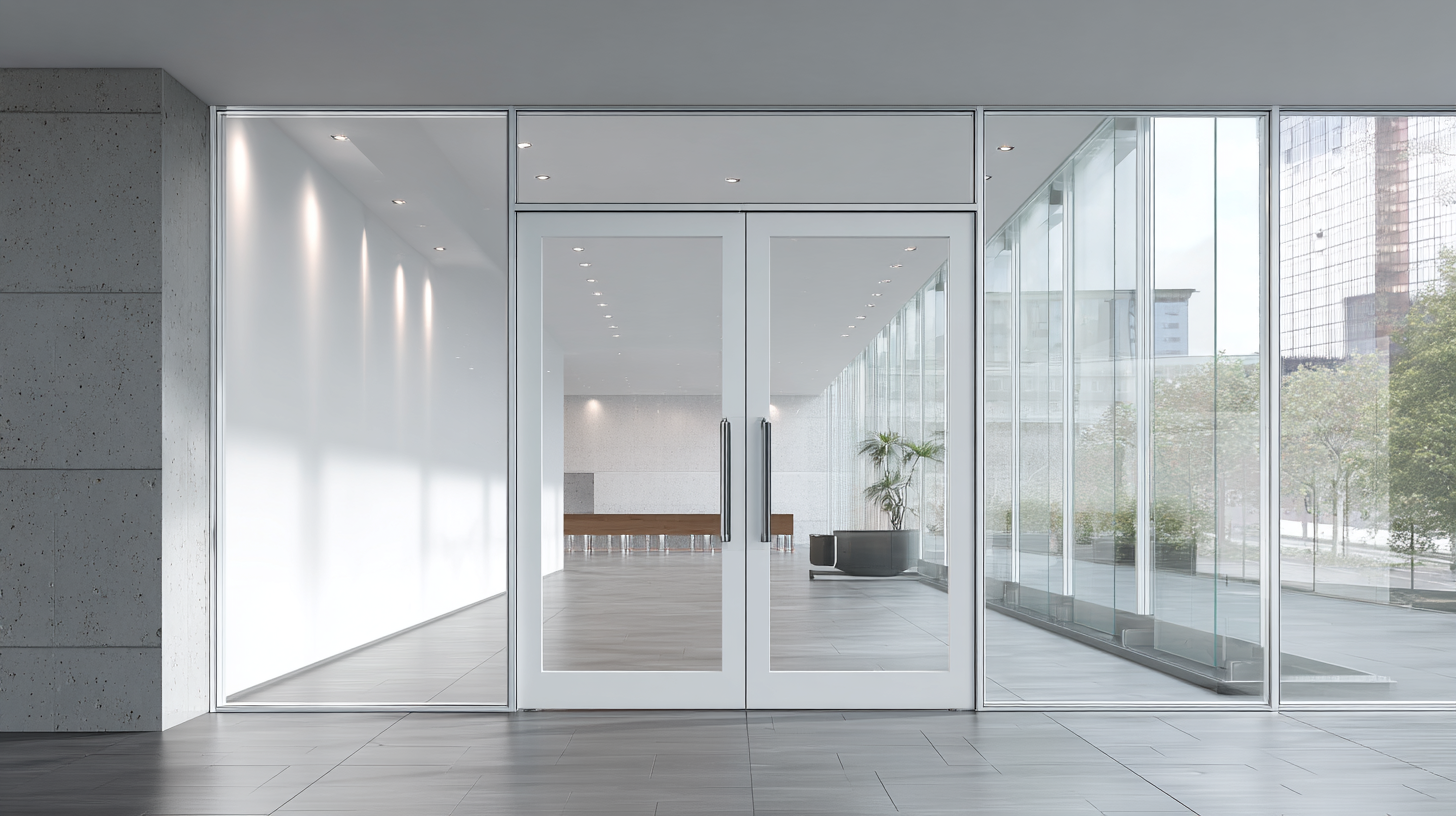
Advantages of Automatic Swing Doors for Enhanced Accessibility
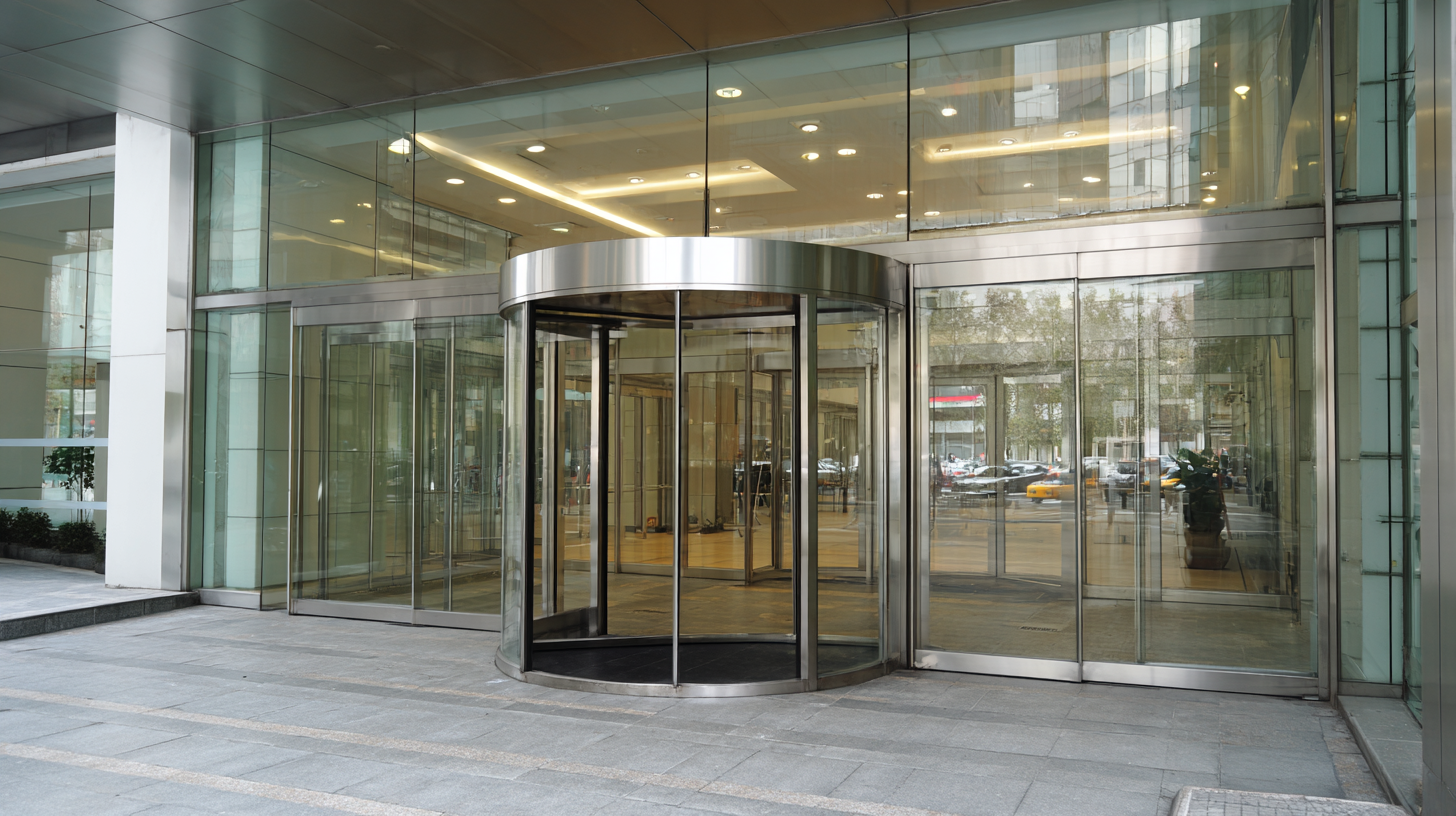 Automatic swing doors are revolutionizing the accessibility of modern buildings, making them a perfect choice for enhancing mobility for all individuals. These doors provide seamless entry and exit, especially benefitting those with disabilities, elderly individuals, and parents with strollers. By eliminating the need for manual operation, automatic swing doors reduce physical strain and promote inclusivity in public spaces such as malls, hospitals, and office buildings.
Tips for implementing automatic swing doors effectively include ensuring that they have adjustable opening speeds to accommodate different user needs. Additionally, positioning accessible buttons at various heights will allow users of all abilities to engage with the doors effortlessly. Regular maintenance is also crucial; ensuring that sensors are clean and functioning correctly can prevent accidents and enhance user experience.
Moreover, aesthetic design should not be overlooked. Choosing styles that blend with the building's architecture can create an inviting atmosphere while maintaining functionality. When properly integrated, automatic swing doors enhance both accessibility and the overall appeal of modern buildings, contributing to a more user-friendly environment.
How Automatic Swing Doors Improve Traffic Flow in Modern Buildings
Automatic swing doors have become integral to modern buildings, particularly in enhancing traffic flow and accessibility. As the global power swing door system market is projected to grow from USD 2.42 billion in 2025 to an estimated USD 6.41 billion by 2033, it is evident that more architects and builders recognize the importance of these systems in optimizing building operations. The increasing volume of pedestrian traffic in commercial environments necessitates solutions that facilitate smooth entry and exit; automatic swing doors excel in providing such functionality.
Moreover, the intelligent integration of sensors in automatic doors has revolutionized how we approach entrance management. These doors are designed to efficiently cater to both employee and visitor traffic, reducing congestion in lobbies and hallways. With advancements in technology, automatic swing doors not only enhance user experience but also contribute to the overall performance of smart buildings. As architectural trends lean towards ensuring seamless accessibility and higher building efficiency, automatic swing doors continue to emerge as a preferred solution for modern infrastructure developments.
Exploring the Benefits of Automatic Swing Doors
The chart above illustrates the average number of people per hour entering a building before and after the installation of automatic swing doors, highlighting the significant improvement in traffic flow.
The Role of Automatic Swing Doors in Energy Efficiency and Sustainability
Automatic swing doors are increasingly recognized for their role in enhancing energy efficiency and sustainability in modern buildings. According to a report by the U.S. Department of Energy, automatic doors can significantly reduce air infiltration compared to traditional manual doors, which can lead to energy savings of up to 30% in HVAC operations. This reduction in energy consumption not only cuts operational costs but also minimizes the carbon footprint of the building, aligning with sustainability goals.
Moreover, the adoption of automatic swing doors is a strategic move for modern architecture, particularly in high-traffic areas. A study published in the Journal of Architectural Engineering highlighted that buildings with automatic entrance systems experience reduced thermal loss, as these doors facilitate quick transitions between indoor and outdoor environments. This efficiency is crucial, especially in climate-sensitive regions, where maintaining comfortable indoor temperatures is essential for occupant satisfaction. Incorporating these systems not only enhances user convenience but also promotes energy conservation, making it a win-win for both functionality and ecological responsibility.
Ensuring Safety and Security with Automatic Swing Door Systems
Automatic swing doors have become an integral feature in modern building designs, significantly enhancing accessibility and ensuring safety and security for users. These innovative systems allow for seamless entry and exit, particularly benefiting individuals with mobility challenges. With their push-button activation and wide openings, automatic swing doors eliminate the barriers posed by traditional manual doors, promoting an inclusive environment that welcomes everyone.
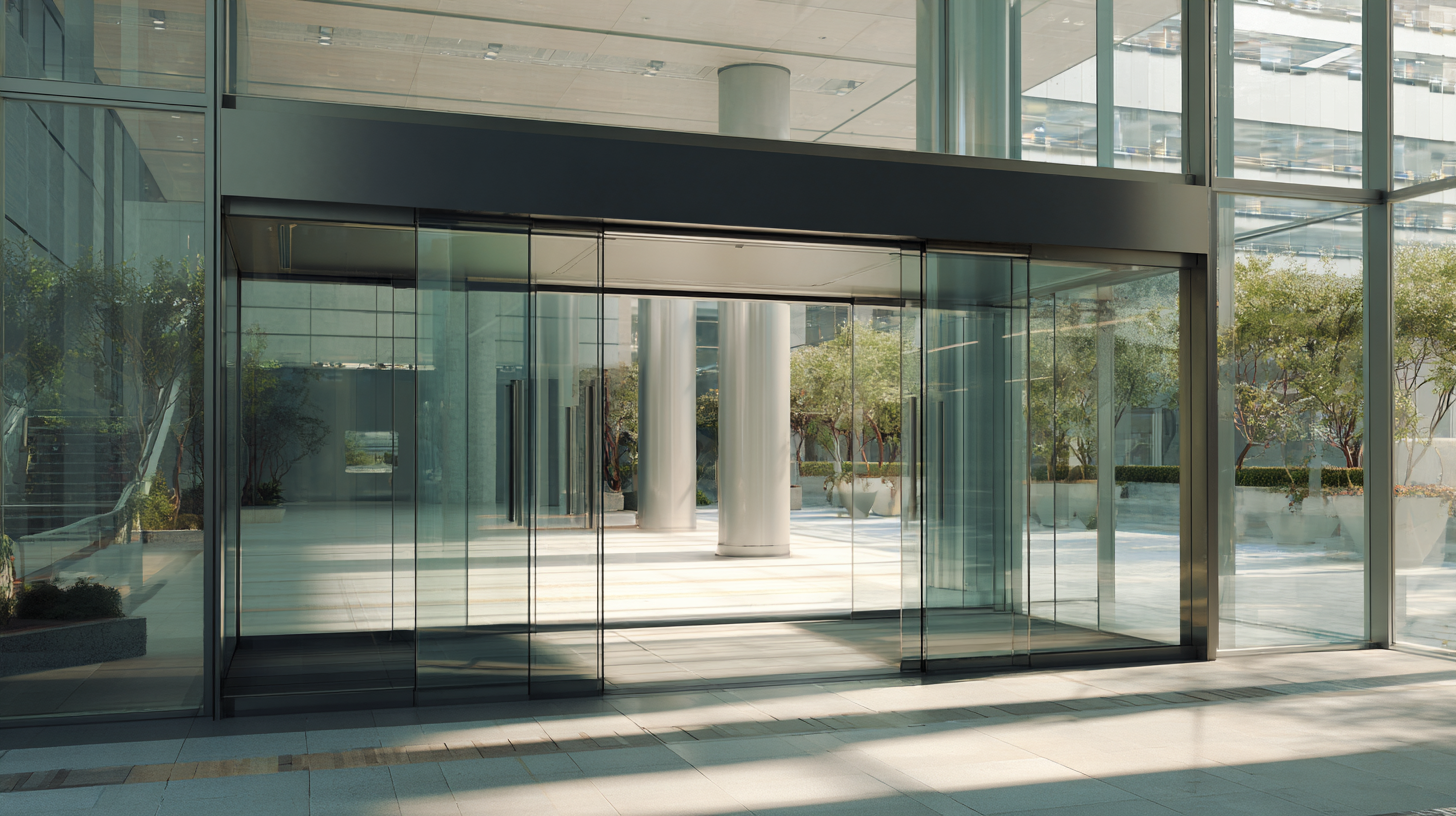
In light of recent developments, such as the Transportation Ministry's exploration of automatic screen door systems at light rail stations, the emphasis on safety in public transportation settings has never been more pronounced. These systems are designed to provide additional security by controlling access and preventing unauthorized entry, thereby safeguarding vulnerable passengers, especially those who may require assistance. By implementing these advanced technologies, we can create safer and more accessible public spaces that cater to the diverse needs of the community.
Customization Options for Automatic Swing Doors in Diverse Architectural Designs
Automatic swing doors are becoming increasingly popular in modern architectural designs, particularly due to their customization options that cater to diverse aesthetics and functional needs. The ability to tailor these doors not only enhances the visual appeal of buildings but also plays a significant role in ensuring accessibility. According to the Door and Hardware Institute, approximately 70% of commercial buildings utilize automatic doors to improve traffic flow and accommodate individuals with disabilities, thus promoting inclusivity in public spaces.
Customization options for automatic swing doors can range from various materials, such as glass and aluminum, to advanced technologies like motion sensors and RFID access control systems. A study by the National Institute of Building Sciences indicates that integrating automatic swing doors can reduce energy consumption by up to 30%, making them an environmentally friendly choice in building design. Additionally, modern designs can incorporate aesthetic features that align with the overall architectural vision, enabling architects and designers to create seamless transitions between indoor and outdoor spaces while maintaining functionality and safety standards.
Exploring the Benefits of Automatic Swing Doors for Modern Buildings and Accessibility - Customization Options for Automatic Swing Doors in Diverse Architectural Designs
| Feature |
Description |
Benefits |
Customization Options |
| Accessibility |
Automatic swing doors provide easy access for individuals with disabilities. |
Improved accessibility for all users, compliance with ADA standards. |
Adjustable opening speed, sensor options. |
| Energy Efficiency |
Minimizes air exchange when opening and closing. |
Reduced energy costs and improved climate control. |
Integration with HVAC systems, weather sealing options. |
| Safety Features |
Built-in sensors to detect obstructions. |
Enhanced user safety and convenience. |
Customizable sensor placement and performance settings. |
| Design Flexibility |
Available in various materials and finishes. |
Seamless integration with architectural design. |
Material choice, color finishes, custom sizes. |
| Ease of Use |
Automatic operation reduces physical effort. |
Convenient for high-traffic areas, enhanced user experience. |
Remote control access, personalized settings. |

 Automatic Doors, Inc.