Best Child Car Seat Safety Tips and Buying Guide?
Child Car Seats are essential for every parent's peace of mind. According to the National Highway Traffic Safety Administration (NHTSA), car accidents are the leading cause of death for children aged 1 to 13. In 2019 alone, there were over 608 child fatalities in vehicle crashes. A properly installed child car seat can reduce the risk of fatal injury by 71% for infants and 54% for toddlers.
Choosing the right Child Car Seat can be overwhelming. Parents often face confusion about various types and features available. Studies show that about 46% of parents do not install car seats correctly. This highlights the need for education on safety guidelines. Even a slight misplacement could gravely compromise safety.
Understanding the importance of Child Car Seat safety is vital. Every year, thousands of families are affected by accidents that could have been prevented with proper seat usage. Reflecting on these statistics can inspire proactive measures in choosing and installing the right seat. Knowledge and diligence are key to ensuring that every child is safely buckled in for every ride.
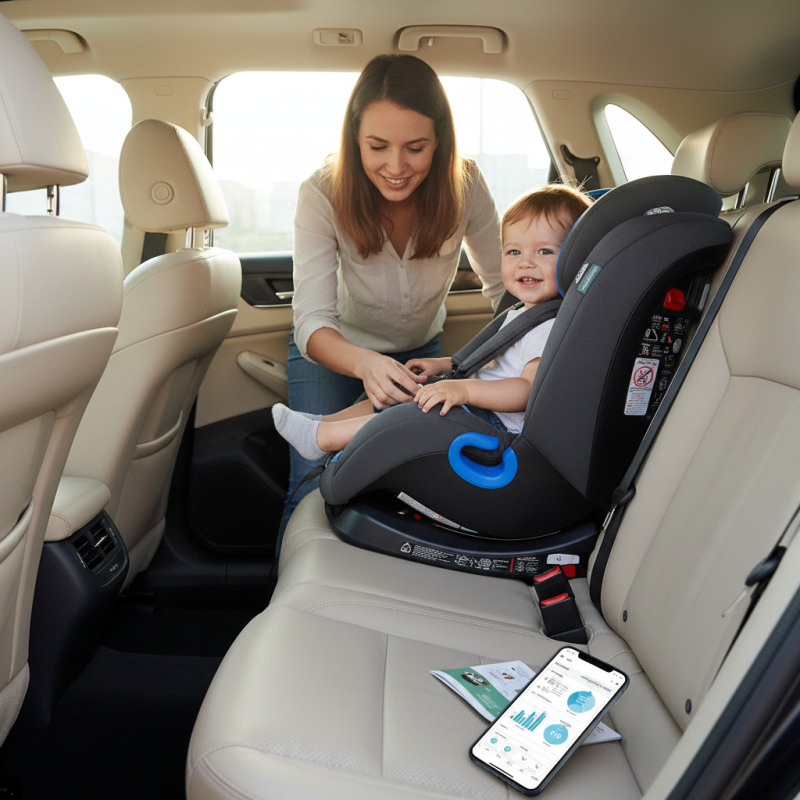
Understanding the Importance of Child Car Seat Safety
When it comes to child car seat safety, understanding its importance is critical. A properly secured car seat can drastically reduce the risk of injury during an accident. Research shows that many parents underestimate the risks. Every year, countless children suffer from preventable injuries. This should be a wake-up call for all caregivers.
One vital tip is to ensure the car seat is installed correctly. Check the instructions carefully. Many parents may think they did it right, but it’s often a challenge. A simple mistake can make the seat less effective. Regularly update your knowledge on car seat safety. Attend workshops if available. They provide valuable insights and hands-on experiences.
Remember to check the weight and height limits of the car seat. These limits can change as your child grows. It’s easy to overlook this aspect. Some may continue using a seat that no longer fits. Monitor your child’s development to ensure they are safe. Adapting to new guidelines is essential for maintaining safety. Your child's well-being should never be compromised.
Types of Child Car Seats: Which One is Right for Your Child?
Choosing the right child car seat can be overwhelming. There are various types catering to different age groups and sizes. According to the American Academy of Pediatrics, using the appropriate car seat reduces the risk of injury by 71% to 82% in children. This highlights the importance of making the right choice.
Infant Car Seats are designed for babies up to about 1 year old. They usually face the rear and provide essential protection. Convertible car seats can transition from rear-facing to forward-facing and accommodate children up to 65 pounds. Booster seats help ensure proper seat belt positioning for older kids. Data from the National Highway Traffic Safety Administration suggests that using a booster seat can reduce the risk of injury by 45% compared to seat belts alone.
Parents may make mistakes in choosing or installing seats. Some underestimate the importance of weight limits. Others may rush installation, leading to an insecure fit. It's critical to check your car seat regularly for recalls and ensure it’s correctly installed. A secure car seat can mean the difference between safety and danger. Reflecting on these points can help parents avoid costly oversights.
Best Child Car Seat Safety Tips and Buying Guide
| Car Seat Type | Age Range | Weight Limit | Installation Method | Safety Features |
| Rear-Facing Seat | 0 - 2 years | Up to 40 lbs | LATCH or Seat Belt | Side Impact Protection, 5-Point Harness |
| Forward-Facing Seat | 2 - 7 years | 40 - 65 lbs | LATCH or Seat Belt | 5-Point Harness, Tether Strap |
| Booster Seat | 4 - 12 years | 40 - 120 lbs | Seat Belt | No-Back or High-Back Booster, Adjustable Headrest |
| All-in-One Seat | 0 - 12 years | 5 - 120 lbs | LATCH or Seat Belt | Reclining Positions, Side Impact Protection |
Key Safety Features to Look for in a Car Seat
When choosing a car seat, safety features are vital. Look for a sturdy frame and a five-point harness. A harness keeps your child secure. Also, consider the seat's weight limit. It should last as your child grows.
Another crucial aspect is the installation ease. Many parents struggle with car seat installation. A seat that’s easy to install can make a big difference. Think about models that come with clear instructions or visual indicators.
Side-impact protection is also worth studying. This feature can provide additional safety in a crash. Don’t overlook adjustable headrests. They can enhance comfort and support. Regularly check your car seat for wear and proper fit. Ensure it meets updated safety standards. Safety should always come first.
Proper Installation Techniques for Maximum Safety
Proper installation of child car seats is crucial for safety. According to the National Highway Traffic Safety Administration (NHTSA), nearly 59% of car seats are misused. This highlights the need for parents to be diligent in ensuring seats are correctly installed. Following manufacturer guidelines is essential, but getting assistance from a certified technician is often overlooked.
Check for tightness after installation. The car seat should not move more than an inch side to side or front to back. A common mistake is placing the seat at an incorrect angle. Infants should be at a 45-degree angle, while older children may not need such a recline. You should use the tether and lower anchors when possible; they provide an additional layer of stability.
Parents often underestimate the role of the harness system. It must be snug against the child’s body. A loose harness can lead to serious injuries during a crash. It’s also critical to ensure children are in the correct seat category concerning age and weight. Many parents wait too long to transition their child to a booster seat, which compromises safety. Regular checks are necessary. Reassess installations every few months to ensure continued safety as children grow.
Regular Maintenance and Updates for Your Child's Car Seat
Regular maintenance of your child's car seat is crucial for safety. Check the manual. Understanding the requirements can save lives. Look for any wear and tear. Straps can fray over time. Ensure the seat is properly secured in your vehicle. Loose installations can lead to dangers during an accident.
Cleaning the car seat is often overlooked. Use mild soap and water to remove stains. Avoid harsh chemicals that may degrade materials. Pay attention to the expiration date as car seats have a lifespan. Many parents forget about this. An expired seat may not meet safety standards.
Regularly update your knowledge on car seat regulations. Recommendations change as new research emerges. What was safe five years ago might not be today. Participate in workshops or online courses available in your area. It’s easy to feel complacent, but staying informed is key to keeping your child safe.
Child Car Seat Safety Tips and Guidelines
 Automatic Doors, Inc.