How to Choose the Best Bifolding Doors for Your Home?
Choosing the right bifolding doors for your home can significantly enhance both aesthetics and functionality. According to a report by the National Association of Home Builders, quality doors can improve your property’s value by up to 10%. Bifolding doors not only create seamless transitions between indoor and outdoor spaces, but they also invite more natural light into your living area. This adaptation aligns with current trends emphasizing open floor plans.
When selecting bifolding doors, it is crucial to consider materials and energy efficiency. The Energy Saving Trust indicates that well-insulated doors can reduce energy bills by up to 30%. Consumers often face confusion due to the range of options available. Reflecting on the specific needs of your environment can clarify your decision-making process. Do you prioritize design, security, or energy savings? Each choice carries its own set of trade-offs and benefits.
Furthermore, the market is filled with varying quality levels. Research indicates that not all manufacturers uphold high safety and performance standards. Buyers must remain vigilant and choose brands with proven track records. In this landscape, seeking expert opinions and conducting thorough research can lead you to the best bifolding doors tailored for your home.
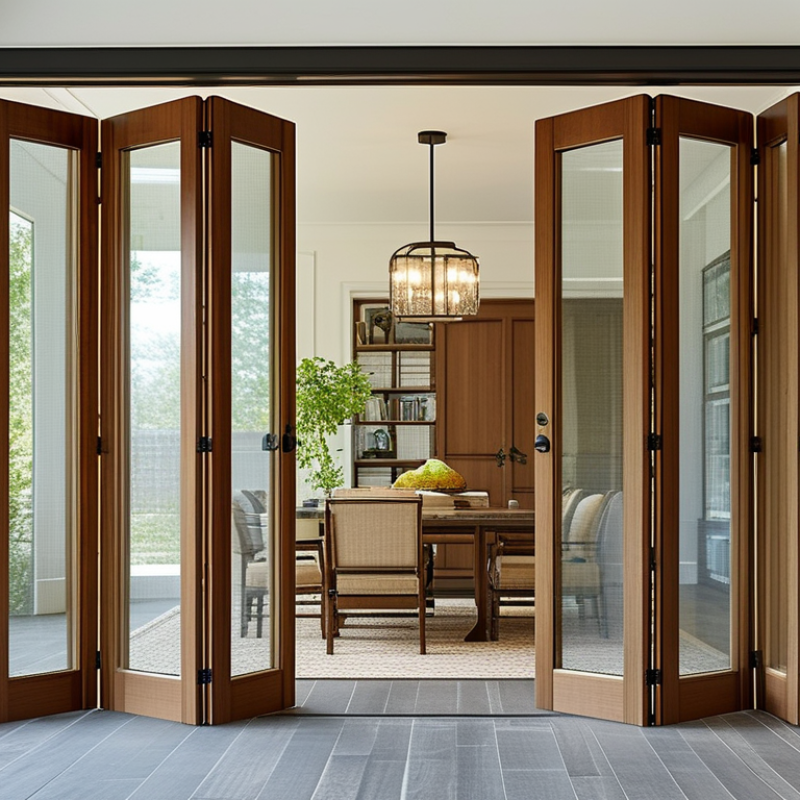
Understanding Bifolding Doors: Key Features and Benefits
Bifolding doors have become popular for their aesthetic and functional advantages. These doors create a seamless connection between your indoor and outdoor spaces, making them ideal for patios or gardens. When choosing bifolding doors, consider materials like aluminum or timber. Aluminum provides durability, while timber adds a natural warmth.
One key feature of bifolding doors is their folding mechanism. This allows multiple panels to collapse, creating a wide opening. The width can enhance airflow and light in your home. Energy efficiency is also important. Look for models with good insulation properties to maintain your home’s temperature.
However, installation can pose challenges. Incorrect measurements might lead to gaps, affecting energy performance. Always consult professionals for precise installation. Understanding your specific needs will ensure you select the right bifolding doors. Pay attention to design and functionality in your choice. Your lifestyle should dictate the style and features of the doors you choose.
Determining the Right Material for Bifolding Doors
Choosing the right material for bifolding doors plays a vital role in your home’s aesthetics and functionality. Common options include wood, aluminum, and uPVC. Each material brings different qualities to the table. For example, wooden doors offer a classic look and good insulation. However, they require regular maintenance to avoid warping and rot. In a humid climate, wood may not be the best choice.
Aluminum bifolding doors are sleek and modern. They offer excellent durability and require little maintenance. They can be powder-coated for a customizable finish. Yet, they may lack insulation compared to other materials. This can lead to higher energy costs. uPVC is an affordable and low-maintenance alternative. It can mimic the appearance of wood while providing good insulation. However, it might not be as visually appealing or sturdy as wood or aluminum.
When selecting the best material, consider your local climate and the desired aesthetic. Weigh the long-term costs against the initial investment. Reflecting on these aspects can help you make a more informed decision. Ultimately, the material should complement your home while meeting your specific needs.
Choosing the Best Bifolding Doors - Material Comparison
Assessing Energy Efficiency and Insulation Options
When choosing bifolding doors, energy efficiency is key. Look for doors with a high thermal performance rating. This impacts your home's insulation. Double or triple glazing is often recommended. The space between the panes minimizes heat transfer. Such design keeps your home warmer in winter and cooler in summer.
Consider the frame materials. Aluminum, for instance, is lightweight and durable but may require thermal breaks for better insulation. Wood provides natural beauty and excellent insulation but may need more maintenance. Think about the location of the doors too. If they face sunny areas, solar control glass can help manage heat gain.
While researching options, reflect on your priorities. Sometimes, sleek design can compromise insulation. We often desire aesthetic appeal but should remember functionality. Striking the right balance is important for comfort and cost savings. An informed choice here can significantly reduce energy bills over time.
How to Choose the Best Bifolding Doors for Your Home? - Assessing Energy Efficiency and Insulation Options
| Feature |
Option 1 |
Option 2 |
Option 3 |
| Material |
Aluminium |
uPVC |
Timber |
| Energy Efficiency Rating |
A+ Rating |
B Rating |
C Rating |
| Insulation Type |
Thermal Break |
Double Glazing |
Triple Glazing |
| Cost (per square meter) |
$750 |
$550 |
$650 |
| Lifespan (years) |
30+ |
20-25 |
25-30 |
Evaluating Door Size and Configuration for Your Space
When selecting bifolding doors, door size and configuration are critical aspects that can impact the overall functionality and aesthetic of your space. According to a recent industry report, nearly 30% of homeowners underestimate the importance of proper measurements when choosing doors. An accurately measured opening ensures seamless operation and prevents costly installation errors.
Consider the height and width of the intended area. Standard bifolding doors are often available in sizes ranging from 1.8m to 3.6m wide. However, many homeowners might overlook custom solutions. Custom doors can maximize access to natural light and views, enhancing your indoor living environment. Keep in mind that the layout of your space should also dictate your choice of door configuration. If you have limited wall space, a four-panel system may be more advantageous than a six-panel one.
Additionally, the choice of material can alter your door’s dimensions and weight. For instance, timber bifolding doors typically require more robust frames due to their weight compared to aluminum options. Research suggests that almost 25% of complaints arise from improper material selection leading to functional issues. Ensuring that you consider both size and material together can lead to a more satisfactory outcome. Reflecting on these details can prevent regrets and enhance the elegance of your home.
Choosing the Right Style to Complement Your Home's Design
When selecting bifolding doors, the style should harmonize with your home’s architecture. Consider the overall theme—is it modern, traditional, or something else? For contemporary homes, sleek lines and minimalist frames work well. They offer an open look and let in plenty of light. On the other hand, a classic design can enhance traditional spaces. Wooden frames with intricate details can add warmth and character.
The color of the bifolding doors is also crucial. Neutral tones blend seamlessly with many home styles. However, a bold color can create a striking focal point. Think about how the door will interact with your existing color palette. Also, consider the view from outside. The doors should not only look good but also complement the exterior.
It's essential to reflect on the material choices too. Aluminum frames provide durability and a modern aesthetic. Wooden frames add charm but may require more maintenance. Each material has its pros and cons. It's wise to weigh these factors before making a decision. Your choice should reflect both personal taste and practical needs.

 Automatic Doors, Inc.