How to Choose the Best Commercial Doors for Your Business?
Choosing the right commercial doors for your business is crucial. These doors impact security, energy efficiency, and aesthetic appeal. Commercial doors come in various materials, styles, and functions, making the selection process overwhelming. Knowing what you need helps narrow down your options.
Consider the location of the doors. Will they face heavy foot traffic? Should they withstand harsh weather? The answers shape your choices. For example, steel doors provide durability against wear and tear. However, they may not suit every business's look. Aesthetic preferences matter, too. A visually appealing door can enhance your business's image and attract customers.
Don't forget about functionality. Commercial doors should be easy to operate and maintain. Consider features like automatic openers for accessibility. Think about how often your doors will be used. This reflection can help you avoid over-investing in unnecessary features. In essence, selecting commercial doors requires thoughtful consideration and planning.
Factors to Consider When Selecting Commercial Doors for Your Business
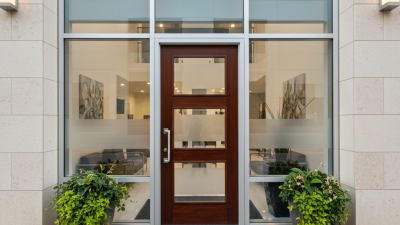
Choosing the right commercial doors is crucial for your business. Various factors play a role in this decision. Start by considering the door’s purpose. For example, a retail store may need glass doors for visibility, while a warehouse might require heavy-duty steel doors for security.
Next, think about the durability of materials. Many options are available, including wood, metal, and fiberglass. Each comes with its own pros and cons. Metal doors offer robustness but can rust if not properly treated. Wood gives a classic look but may require more maintenance over time. Reflect on the environment where the doors will be used.
Security is another vital aspect to evaluate. Does your location have high crime rates? If yes, investing in reinforced doors could be wise. Additionally, energy efficiency is essential. Insulated doors can help reduce heating and cooling costs. Ultimately, considering these factors will lead to a more informed choice. Don't hesitate to seek expert opinions before finalizing your decision.
Types of Commercial Doors and Their Uses in Different Industries
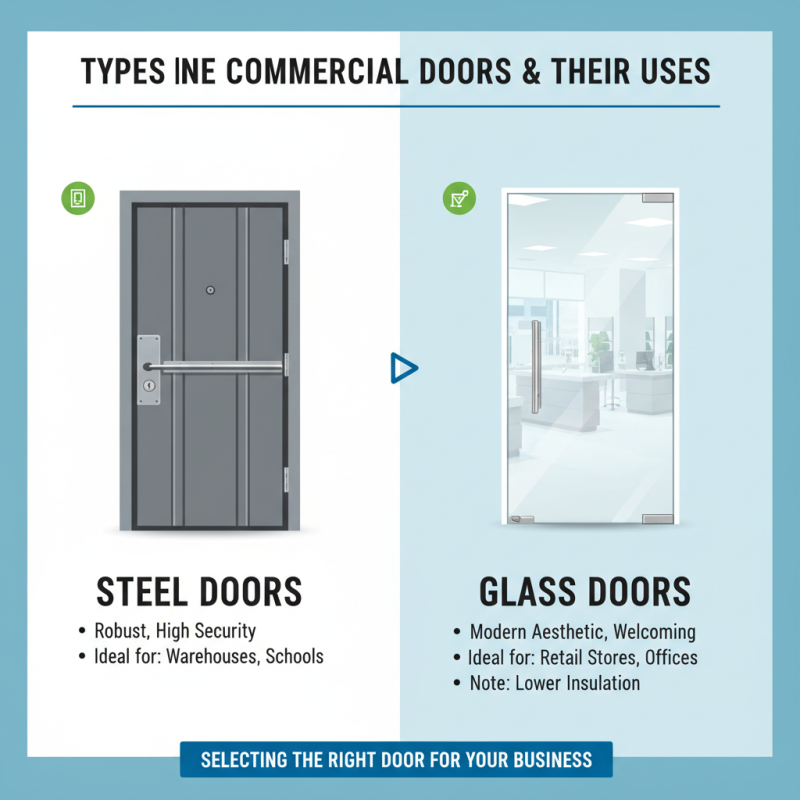
When selecting commercial doors for a business, it is vital to understand the various types available. Steel doors are robust and ideal for warehouses and schools. They offer security against intruders. Glass doors, on the other hand, provide a modern look. They create a welcoming environment, especially in retail stores. But they have lower insulation properties.
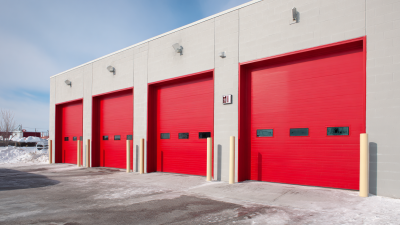
Rolling doors are perfect for garages or distribution centers. They save space and are easy to operate. Fire-rated doors are crucial in restaurants and hotels. They help contain flames during emergencies. Each industry has unique needs, and the right door can enhance safety and functionality. However, a door that works in one context may not be suitable elsewhere.
Choosing the right door requires careful thought. Sometimes, businesses overlook maintenance and durability. Ensuring the chosen door can withstand daily wear is essential. Consider the environment where the door will be installed. A door must align with both functional and aesthetic demands. Making a hasty decision can lead to regret later. Exploring options and seeking expert advice can greatly benefit the selection process.
Materials for Commercial Doors: Pros and Cons Explained
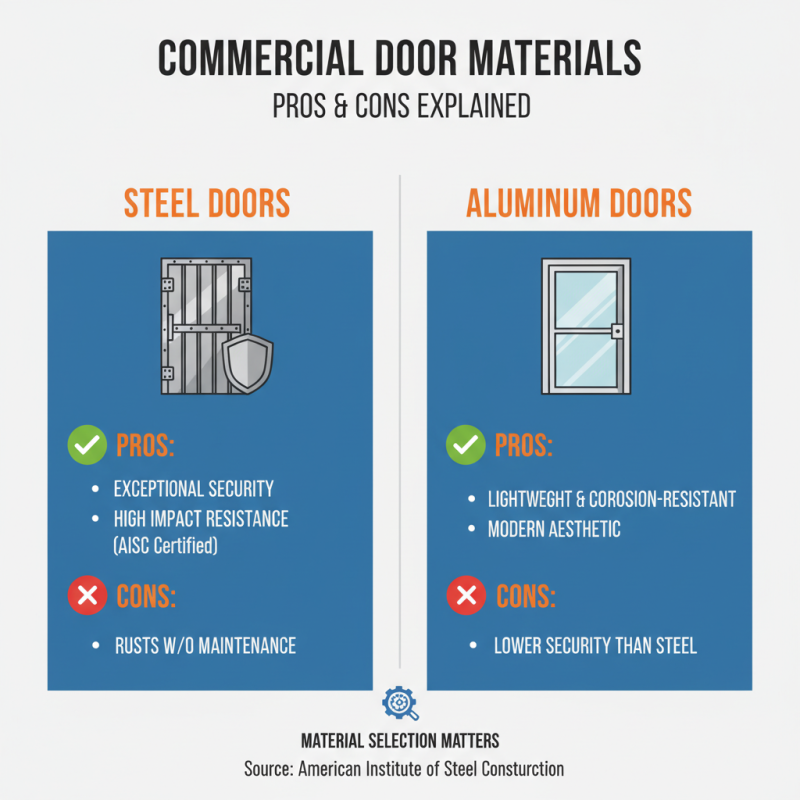
When selecting commercial doors, understanding the materials plays a crucial role. Each material has distinct advantages and downsides. Steel doors, for example, offer exceptional security. A report by the American Institute of Steel Construction indicates that steel doors can withstand severe impact, making them a top choice for high-traffic areas. However, they can rust without proper maintenance, which implies the need for regular inspections.
Wooden doors provide aesthetic appeal that can enhance a business's image. According to the Wood Products Council, these doors are versatile and can be customized. Still, they often require more upkeep, such as sanding and refinishing, to maintain their appearance. In environments with high humidity, wooden doors risk warping, which can lead to operational issues.
Fiberglass doors are another option. They resist dents and corrosion, which is vital in many industrial sectors. The National Association of Home Builders states these doors can last longer than their wooden or metal counterparts in certain climates. However, they may not provide the same level of insulation as wood, which can affect energy efficiency. Balancing durability and appearance is crucial in making the right choice for commercial needs.
Security Features to Look for in Commercial Door Options
When selecting commercial doors, security is paramount. A solid door should feature high-quality materials. Look for reinforced steel options or heavy-duty metal. These materials deter break-ins. Consider the locking mechanisms as well. Deadbolts and electronic locks add an extra layer of protection.
Tips for ensuring security include checking for compliance with industrial standards. Doors that meet these guidelines offer better reliability. It's also wise to choose doors with impact resistance. They not only withstand forced entry but also provide durability. Additionally, think about fire-rated doors. These can protect against both fire and intruders.
Don’t overlook the importance of installation. Poorly installed doors can compromise security. Hire professionals with a history of secure installations. Regular maintenance is crucial. Inspect doors periodically for wear and damage. A little vigilance can enhance your overall safety greatly.
Energy Efficiency and Insulation Ratings for Commercial Doors
Choosing the right commercial doors involves more than aesthetics. Energy efficiency and insulation ratings play a key role in decision-making. Businesses often overlook these factors, leading to higher energy costs. A well-insulated door can significantly reduce energy loss.
Consider the insulation materials. Options like polyurethane or polystyrene offer excellent thermal resistance. Look for doors with high R-values. A higher R-value means better insulation. This translates to lower heating and cooling expenses. Additionally, energy-efficient doors contribute to a more comfortable work environment.
Businesses often underestimate long-term savings. Although high-quality doors may have a higher upfront cost, the decrease in energy bills can be substantial. Reflect on how your choice impacts sustainability goals. Not all doors perform equally, and researching energy ratings is essential. This small detail can affect your bottom line significantly.


 Automatic Doors, Inc.