How to Choose the Best Home Doors for Your Needs?
Choosing the right home doors is essential for both aesthetics and functionality. Home doors not only offer security but also enhance your home's curb appeal. Each door type brings its own set of features, making the selection process quite complex.
Consider the materials available, such as wood, fiberglass, or steel. Wooden doors exude warmth but require more maintenance. Steel doors offer durability and security, but may lack character. Fiberglass provides an ideal mix of both strength and aesthetics.
Reflect on your home’s style and your personal needs. Are you looking for a modern touch or something more traditional? Your choice should reflect your lifestyle while promising lasting quality. Take the time to invest in research, and you will find a door that feels just right.
Understanding Different Types of Home Doors and Their Features
When selecting home doors, it's essential to understand the various types available and their distinct features. Entry doors serve as the first line of defense. Many homeowners prioritize security and durability. A recent report indicates that steel doors can provide up to 5 times more resistance to forced entry than traditional wooden doors. They are often energy-efficient as well, reducing heating costs by maintaining indoor temperatures.
Interior doors, on the other hand, focus more on aesthetics and functionality. Hollow core doors are lightweight and cost-effective, making them a popular choice. However, they may not provide optimal sound insulation. Solid core doors improve soundproofing and enhance overall durability, but they can be pricier.
Additionally, patio doors offer unique options. Sliding, French, and bi-fold doors each have their benefits. Sliding doors save space while allowing natural light in. French doors can create a more elegant appearance and a seamless transition between indoor and outdoor living. It’s crucial to assess the specific needs based on space, desired functionality, and budget constraints. Each option has its advantages and limitations, requiring reflection on your priorities.
Home Doors Types and Their Popularity
Factors to Consider When Choosing Home Doors for Security and Safety
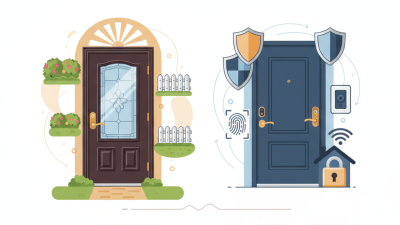
When choosing home doors for security and safety, several factors come into play. The material of the door is crucial. Solid wood and steel options provide better strength. Glass options can be beautiful but are often less secure. Locks are critical too. High-quality deadbolts and smart locks can significantly enhance security. Look for locks that offer durability against forced entry.
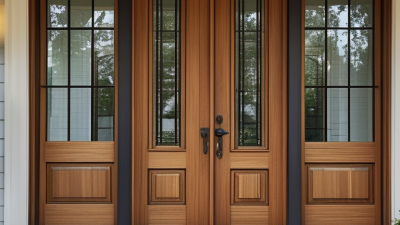
Window security is another aspect to consider. Doors with sidelights or large windows may need additional reinforcements. Consider a door that includes reinforced glass or laminated options. Installation matters as well. Even the best door won’t secure your home if it's poorly installed. Professional installation can minimize vulnerabilities.
It's also worth noting that aesthetic appeal shouldn't compromise safety. A door that looks good but lacks sturdiness can be a flaw. Understand your environment. If you live in a high-crime area, prioritize security features more rigorously. Balancing style with safety is complex but essential. Being aware of these factors will help you make an informed decision for your home's entry points.
How to Choose the Best Home Doors for Your Needs?
| Factor |
Description |
Importance (1-5) |
| Material |
Consider durability, maintenance, and insulation properties. |
5 |
| Security Features |
Look for reinforced locks and sturdiness of the door frame. |
5 |
| Aesthetic Appeal |
Choose a design that complements the overall look of your home. |
4 |
| Cost |
Assess your budget and find a balance between quality and price. |
4 |
| Energy Efficiency |
Choose doors with good insulation to reduce energy costs. |
4 |
| Warranty |
Check if the door comes with a warranty for peace of mind. |
3 |
Aesthetic Considerations: Matching Door Styles to Your Home’s Design
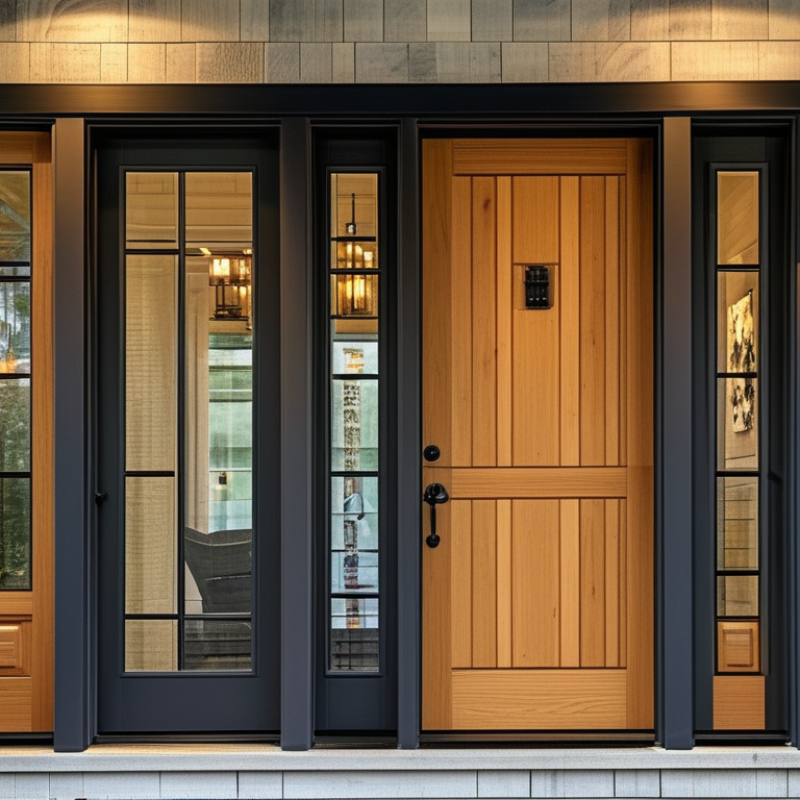
When selecting home doors, aesthetic considerations play a crucial role. The right door can amplify your home’s design, making it cohesive and inviting. Consider the architectural style of your home. A modern home may benefit from sleek, minimalist doors, while a traditional structure often looks best with classic wooden doors. Pay attention to color and texture as they enhance the overall look.
Tips: Use bold colors to create a focal point. A bright red door on a neutral facade adds personality. Don’t overlook the finish of the door. Stained wood adds warmth, while painted doors can offer an unexpected pop.
It's essential to think about details like the door hardware. The knobs and hinges should complement your door choice and overall design. Sometimes, a mismatched style can detract from your home’s appeal. Reflect on what each choice says about your personal taste. Ideally, each door should feel like a natural extension of your home.
Energy Efficiency in Home Doors: What You Need to Know
Energy efficiency is a crucial factor when choosing home doors. With the right door, you can reduce energy costs significantly. Insulating materials and tight seals can help prevent drafts. Good quality doors also help maintain a stable indoor temperature.
Consider the climate in your area. For colder regions, doors with higher insulation values are essential. In warmer climates, reflective surfaces can minimize heat absorption. Look for Energy Star ratings as a guideline. These certifications ensure that doors meet specific energy performance standards.
It’s important to reflect on the long-term impact of your choice. Sometimes, a lower upfront cost may lead to higher energy bills down the road. Think about durability too. A door that lasts longer will save you both money and resources. Keep accessibility in mind as well. Ensure that the door fits seamlessly into your home’s design while providing optimal energy efficiency.
Maintenance and Durability: Choosing Long-Lasting Home Doors
When selecting home doors, maintenance and durability are critical. High-quality doors can last over 30 years with the right care. A study from the Door and Hardware Institute shows that 70% of homeowners prioritize long-lasting materials. Fiberglass and steel doors typically offer better resistance against weather, moisture, and wear.
Regular maintenance can extend door lifespan. Inspect seals and frames for cracks or wear every season. A quick touch-up can prevent costly repairs later. Many doors require refinishing every five to seven years. This task may seem minor, but neglecting it can lead to significant damage.
The climate also affects door durability. For example, in areas with high humidity, wood doors may warp or rot without proper treatment. Choosing doors suited for your environment is essential. Be cautious with cheaper options. They might not withstand harsh conditions. Investing in durable materials is wise; it pays off in the long run. A well-chosen door can enhance security and curb appeal for years.


 Automatic Doors, Inc.