What are the Different Types of Doors and Their Uses?
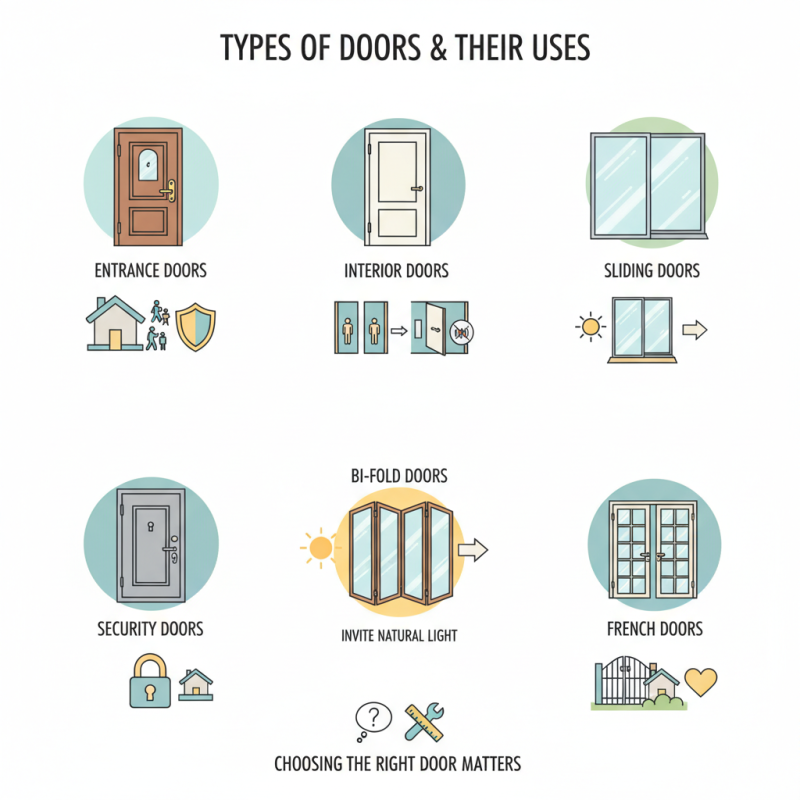
Doors and doors play a vital role in our daily lives. They are not just barriers; they serve various purposes. From entrance doors that welcome us home to interior doors that provide privacy, each type has its own function and style.
In homes and buildings, doors can define spaces and aesthetics. For example, sliding doors create a seamless flow between indoors and outdoors. Bi-fold doors invite natural light. Each choice reflects personal taste and practicality. However, not every door type suits every need. Choosing the right door is sometimes overlooked.
Consider the security needs versus aesthetic desires. Some doors may not provide adequate insulation or safety. Reflecting on these details can lead to better decisions. The diversity of doors and doors often presents confusion and hesitation. A little extra thought can make a significant difference in our surroundings.
Types of Interior Doors and Their Applications
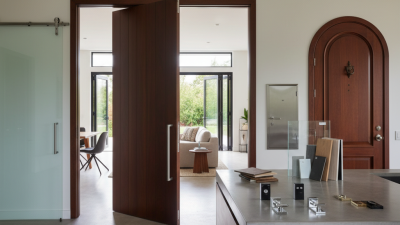
When discussing types of interior doors, there are numerous options available for various applications. Each type serves a specific purpose. Hollow core doors are lightweight and often used in residential homes. They are cost-effective but may not provide much sound insulation. Solid core doors, on the other hand, offer better durability and noise reduction. They are ideal for bedrooms and offices where privacy is important.
Another popular choice is sliding doors. These are perfect for smaller spaces, as they don’t swing open. They can also create a seamless transition between indoors and outdoors. Bi-fold doors are similar and can open up large areas, but they need more space to operate. French doors are elegant and provide an open, airy feel, making them suitable for living areas.
While there are many options, choosing the right door can be challenging. It requires consideration of aesthetics, functionality, and space constraints. Sometimes, homeowners make choices based on looks alone and overlook practical needs. Reflecting on the purpose of each door type can lead to better decisions for your interior spaces.
Different Types of Doors and Their Uses
Common Exterior Door Styles and Their Functions
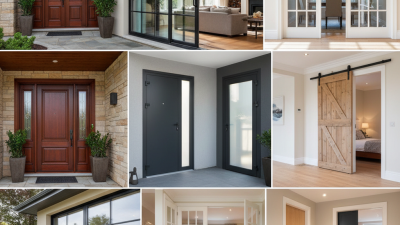
When choosing exterior doors, it’s essential to consider style and function. Common styles include traditional, modern, and those with decorative panels. Traditional doors often have a classic look. They can be made of solid wood or fiberglass. These doors provide good insulation and are sturdy.
Modern doors bring sleek lines and a contemporary feel. They are often made from metal or glass. These materials create an airy look. However, consider the security aspect. Glass can be appealing but may not be the best choice for privacy.
Tips for choosing your door: Look for weather-resistant materials. Think about your home’s overall style. A door should enhance, not clash. Also, consider energy efficiency. Insulated doors can help with heating and cooling costs. Don't forget to check the door's hardware. Properly functioning locks and hinges are important for security.
What are the Different Types of Doors and Their Uses? - Common Exterior Door Styles and Their Functions
| Door Type |
Material |
Common Uses |
Key Features |
| Front Entry Door |
Wood, Fiberglass |
Main entrance to homes |
Aesthetic appeal, security features |
| Sliding Patio Door |
Vinyl, Aluminum |
Access to patios or decks |
Space-saving, natural light |
| French Doors |
Wood, Glass |
Interior and exterior openings |
Elegance, versatility |
| Storm Door |
Aluminum, Glass |
Protection against weather |
Added insulation, ventilation |
| Screen Door |
Wood, Aluminum |
Allow air circulation while keeping insects out |
Lightweight, easy installation |
| Bi-fold Door |
Wood, Aluminum |
Large openings, openings to outdoor spaces |
Flexible space usage, wide openings |
Specialty Doors: Features and Purpose
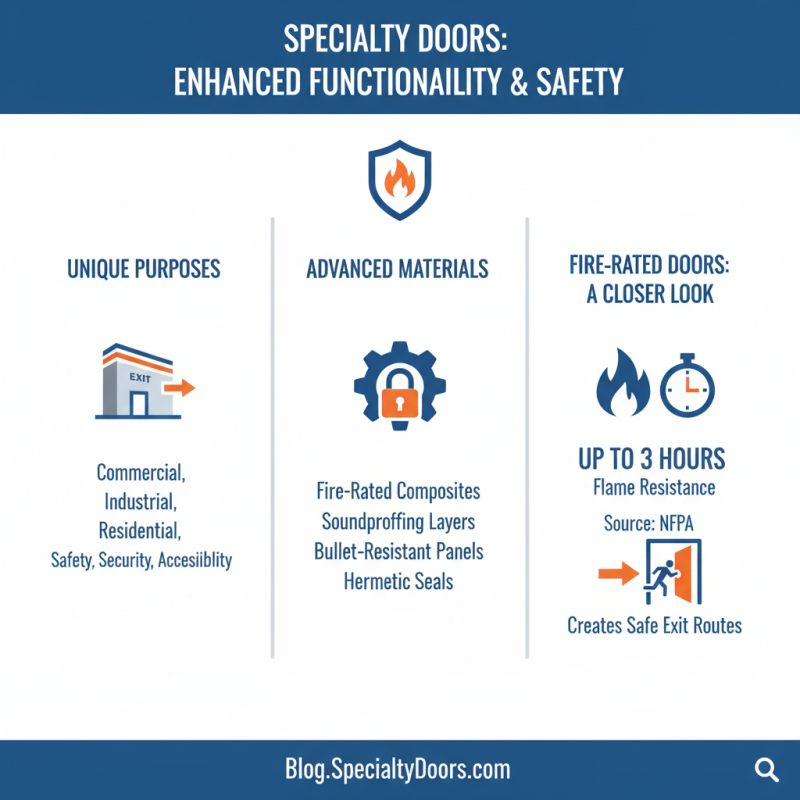
Specialty doors serve unique purposes across various settings. They often feature advanced materials or designs that enhance functionality. For instance, fire-rated doors are crucial in commercial buildings. According to the National Fire Protection Association (NFPA), these doors can withstand flames for up to three hours. They help create safe exit routes during a fire.
Another common type is soundproof doors, ideal for recording studios or libraries. They reduce sound transmission significantly, often by 30 to 50 decibels. The Acoustic Society of America notes that such doors improve focus and productivity in noisy environments. Glass doors, on the other hand, enhance visibility and allow natural light. They are popular in retail spaces but may lack privacy.
Additionally, there are security doors designed to resist break-ins. Data from the Bureau of Justice Statistics suggests that homes with security doors experience fewer burglaries. These doors often come with advanced locking mechanisms. However, it’s crucial to evaluate the trade-offs. A steel door offers high security but may not suit every aesthetic preference. Each specialty door presents unique benefits and challenges.
Choosing the Right Door Material for Different Environments
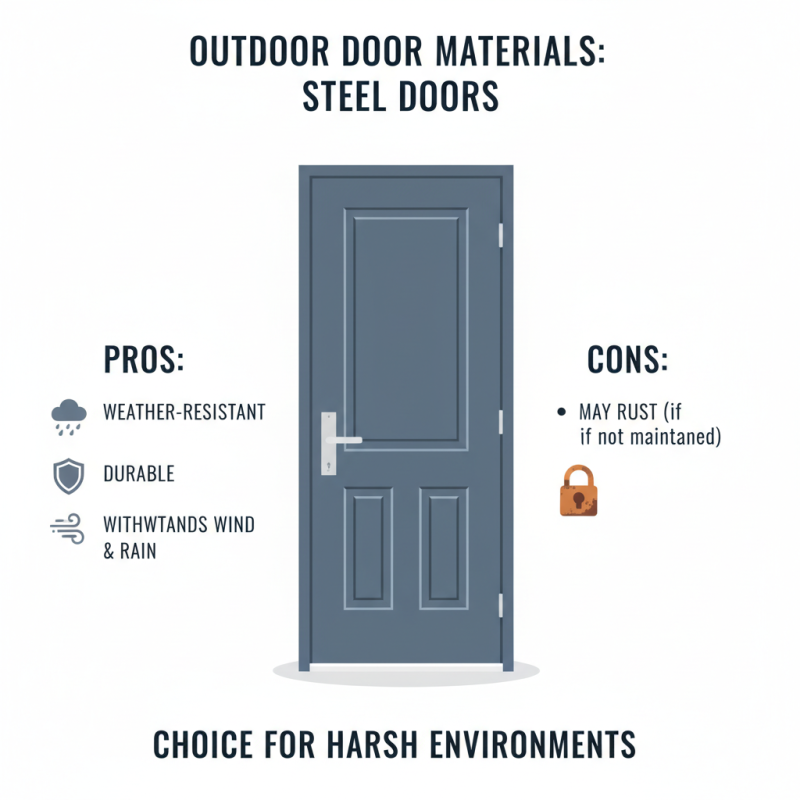
Choosing the right door material is crucial for different environments. For outdoor spaces, weather-resistant materials are essential. Steel doors offer durability against harsh weather. They can withstand strong winds and heavy rainfall. However, they may rust over time if not properly maintained.
In indoor settings, aesthetics also matter. Wooden doors add warmth and charm to homes. They can be painted or stained to match any decor. Yet, wood is susceptible to moisture. Too much humidity can warp wooden doors, leaving them less functional.
For commercial spaces, fiberglass doors can be a great choice. They are lightweight and resistant to dents. However, they might not provide the same level of insulation as heavier materials. Selecting the right door means considering the specific needs of each space. It requires a balance of functionality and appearance. Sometimes, the best choice isn’t the most obvious one.
Maintenance and Care for Various Door Types
Maintaining different types of doors is essential for
longevity and functionality.
Wooden doors, for instance, require
regular sealing to prevent warping and moisture damage.
According to the National Wood Flooring Association, untreated wood can absorb moisture, resulting in up to
20% increase in weight, affecting door performance.
Metal doors often rust if not properly cared for. Industry statistics show that around
15% of metal door failures originate from rust damage. It's crucial to check
for scratches and touch up paint regularly to extend their life. For glass doors, debris can accumulate in tracks,
causing jams. Regular cleaning of tracks will minimize wear and enhance smooth operation.
Ultimately, neglecting these tasks may lead to larger issues over time.
Many property owners overlook the significance of door maintenance.
A poorly maintained door doesn’t only affect aesthetics; it can also compromise
security and insulation. Investing time in simple upkeep tasks can save money and frustration in the long run.



 Automatic Doors, Inc.