What Are the Top Automatic Shop Doors for Global Buyers?

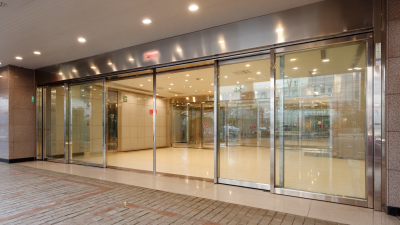
Automatic shop doors are becoming a practical investment for retailers, malls, pharmacies, and convenience stores worldwide. They improve customer flow, support accessibility, and help maintain indoor comfort when entrances open frequently. Yet “automatic” does not mean one solution fits every storefront. Sliding, swing, folding, and telescopic systems perform differently under heavy traffic, limited space, and changing weather.

Industry data shows steady market expansion. Grand View Research estimates that the global automatic doors market was worth approximately USD 2.6 billion in 2023. Its report also projects continued growth through 2030, supported by retail construction, accessibility upgrades, and smart-building adoption. Fortune Business Insights reports a similar direction, forecasting the market to grow from about USD 2.83 billion in 2023 to USD 4.66 billion by 2032. These estimates differ, but the trend is clear. Demand is rising.

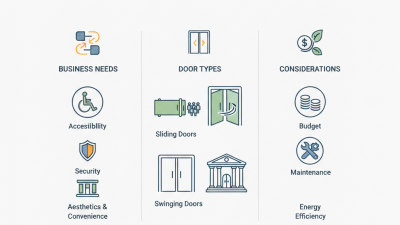
The best automatic shop doors should match traffic volume, entrance width, climate, security needs, and maintenance capacity. A compact sliding door may suit a busy urban store, while a folding system can work better where space is restricted. In cold or windy regions, sensor accuracy and closing speed deserve close attention. Buyers should also verify compliance with recognized standards, such as EN 16005 or relevant local requirements, and request documented safety testing. Manufacturer experience matters. So does after-sales support.

Cost alone can mislead. A low-priced operator may require frequent servicing, unavailable spare parts, or premature replacement. Data is uneven. Real-world performance depends on installation quality, user behavior, and maintenance routines. This guide compares leading automatic shop doors through those practical factors, helping global buyers choose a safer, more durable, and commercially suitable entrance system.
What Are the Top Automatic Shop Doors for Global Buyers?

Automatic Shop Doors: Definition, Functions, and Main Operating Principles

What Are the Top Automatic Shop Doors for Global Buyers?

Automatic Shop Doors: Definition, Functions, and Main Operating Principles

An automatic shop door opens and closes without direct hand contact. It uses sensors, a controller, a motor, and safety devices. Sliding doors suit busy entrances because they need limited floor space. Swing doors work well where the opening is narrower. Telescopic and folding designs can help when space is severely restricted. Choose carefully.

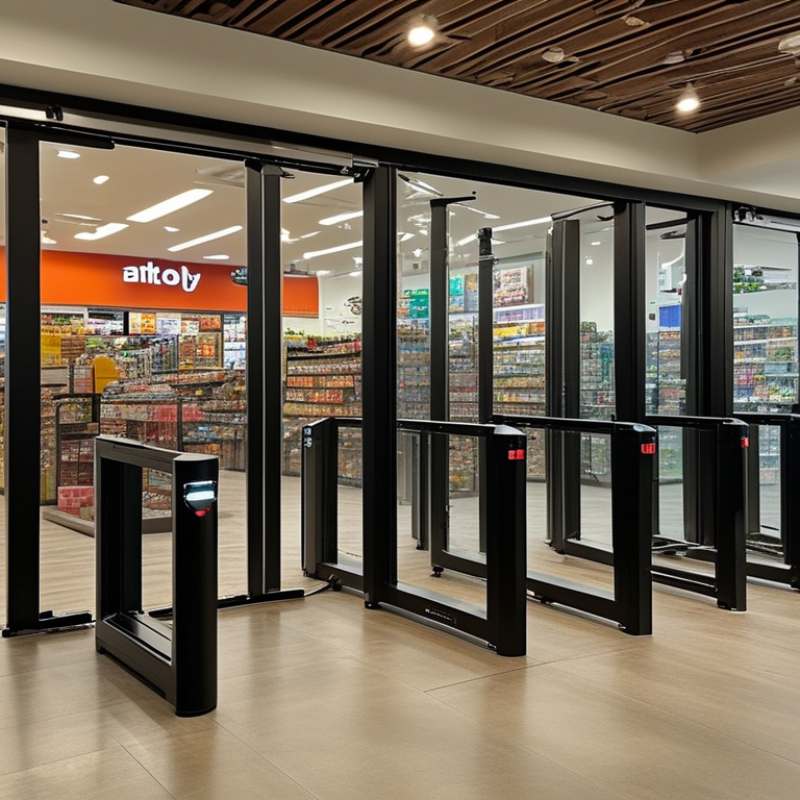
A typical system detects movement through radar, infrared, or pressure-sensitive sensors. The controller then activates the motor and drive mechanism. After a programmed delay, the door closes automatically. Presence sensors should stop movement when a person or object remains nearby. Manual release systems also matter during power interruptions. Safety is not an accessory.

A 2023 analysis by Grand View Research estimated the global automatic doors market at about USD 2.2 billion. It also forecast continued growth through 2030, supported by retail, transport, and commercial construction. MarketsandMarkets has similarly identified convenience, accessibility, and energy management as major demand factors. These figures indicate opportunity, not certainty. A forecast can still miss local construction cycles.

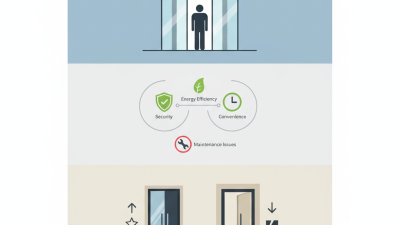
Global buyers should compare traffic volume, climate, glass weight, maintenance access, and electrical standards. In humid coastal areas, corrosion-resistant hardware deserves attention. In cold regions, poor closing speed can increase indoor heat loss. Field inspections often reveal an uncomfortable fact: attractive doors may perform poorly when sensors face direct sunlight. A practical acceptance test should check repeated cycles, emergency release, closing force, and detection accuracy.

Key Types of Automatic Shop Doors for Different Commercial Settings

What Are the Top Automatic Shop Doors for Global Buyers?

Key Types of Automatic Shop Doors for Different Commercial Settings

Automatic shop doors should match traffic, space, climate, and security needs. Sliding doors suit supermarkets, pharmacies, and malls with wide customer flow. They provide clear openings and support hands-free access. Telescopic sliding doors work better in narrow entrances because their panels stack efficiently. Swing doors fit smaller cafés and clinics, but they need a clear movement zone. Revolving doors can reduce drafts in large retail buildings, although they may slow carts and bulky deliveries.

High-speed roll-up doors serve warehouses, loading areas, and back-of-house retail zones. They reduce air exchange and help separate public areas from service spaces. Grand View Research reported that the global automatic doors market was valued at approximately USD 7.4 billion in 2023. The report also projects continued growth through 2030, driven by commercial construction and touchless access. Fortune Business Insights identifies energy efficiency and accessibility as important market drivers. Figures vary between reports. Buyers should check definitions carefully.

Tips: Measure peak traffic for fifteen minutes. Check door-cycle ratings, emergency release, sensor coverage, and local accessibility rules. Ask for tested wind-load and safety data. A cheaper operator can become expensive after frequent repairs. This is easy to overlook. Do not choose only by opening speed. A quiet, well-calibrated door may serve shoppers better than a faster model. Recheck performance after installation, especially during winter or rainy seasons.

Essential Safety, Security, and Accessibility Features to Evaluate

For global buyers, an automatic shop door should protect people before it impresses visitors. Evaluate presence sensors, safety edges, emergency stop controls, and controlled closing speed. The door must detect a child, trolley, or wheelchair in its path. It should reopen quickly, without hesitation. Ask for documented testing, maintenance instructions, and local compliance evidence. A supplier’s confident promise is not enough. Test the door during rain, heavy traffic, and power interruption. These conditions reveal weaknesses that a showroom demonstration can hide.

Security needs a different lens. Check whether the door resists forced lifting, impacts, and unauthorized manual override. A secure system should provide controlled access without trapping people during emergencies. Battery backup can keep operation predictable, but it needs scheduled testing. Review lock strength, alarm integration, and event records with a qualified installer. Avoid treating speed as security. A fast door can still leave gaps, sensor blind spots, or poor night visibility. That mistake is surprisingly common.

Accessibility should be measured, not assumed. Confirm clear opening width, low activation force, visible sensors, and enough time for slower users to pass. Controls should be reachable from standing and seated positions. Visual and audible signals can clarify opening and closing movements. Language, climate, and power standards vary across markets, so specifications require local review. I would allow extra space around the threshold. Real shopping carts rarely move perfectly straight. A perfect installation is unlikely; regular inspection matters more.

What Are the Top Automatic Shop Doors for Global Buyers? - Essential Safety, Security, and Accessibility Features to Evaluate

Automatic Door Type Typical Retail Application Opening Method and Space Requirement Safety Features to Evaluate Security and Weather Considerations Accessibility Performance Energy and Maintenance Factors Best-Fit Assessment
Sliding Entrance Door Supermarkets, shopping centers, pharmacies, convenience stores, and high-traffic storefronts Moves horizontally along a track; requires clear wall or sidelight space but does not need a door swing area Presence sensors, safety light curtains or monitoring sensors, obstacle detection, emergency breakout capability, and controlled closing speed Suitable for frequent traffic; specify wind-resistant components, protected sensors, secure locking, and weather seals for exposed entrances Provides a wide, level passage when correctly sized; supports wheelchair and mobility-aid access with automatic opening and low operating force Efficient for repeated use; track cleaning, sensor checks, alignment inspection, and periodic safety testing are required Excellent for high-volume retail traffic
Telescopic Sliding Door Retail sites with narrow façades, restricted wall space, or a need for a wider opening within a limited footprint Uses multiple sliding panels that stack behind one another; offers a wider clear opening than a standard sliding door in a similar side-room area Redundant presence detection where required, monitored sensors, anti-crush protection, emergency release, and safe low-speed closing Security depends on panel construction, locking hardware, glazing, and the surrounding façade; exposed installations need suitable weather protection Can provide an accessible clear width, but the final opening must be checked against local accessibility requirements and traffic conditions More moving components than a standard slider; requires careful track, roller, sensor, and panel maintenance Very good where frontage width is limited
Swing Door Operator Small shops, interior retail doors, stockrooms, offices, and entrances where a hinged door already exists Automates a hinged leaf; requires clear swing space and protection from conflicting pedestrian movement Presence and safety sensors, controlled opening and closing force, obstacle detection, hold-open control, and emergency manual operation Can retain a robust existing door leaf; security is influenced by hinges, locks, frame strength, glazing, and the operator's access-control interface Useful for hands-free access, but the approach and swing zones must remain clear; opening width, threshold, and maneuvering space are critical Often practical for retrofit projects; hinges, operator arms, sensors, and door alignment need regular inspection Good for retrofits and moderate traffic
Revolving Door Large commercial buildings, department stores, hotels, and retail entrances with strong indoor-outdoor air movement Rotating door wings move around a central axis; requires a circular footprint and does not create a conventional straight-through opening Safety presence sensors, speed limitation, emergency stop, anti-pinch monitoring, pressure-sensitive safety systems, and breakout panels where applicable Helps reduce uncontrolled air exchange and can improve entrance security; emergency egress design and local fire requirements must be carefully reviewed Not always suitable as the only accessible route; provide a compliant adjacent swing or sliding entrance when required by local rules Can reduce drafts and heating or cooling losses; requires specialized inspection of drive systems, sensors, wings, and floor guides Strong for climate control, with accessibility planning required
High-Speed Roll-Up Door Service entrances, warehouse-style retail areas, loading zones, and internal logistics passages Flexible curtain or rigid panels roll vertically above the opening; requires headroom and suitable side guides Photoelectric sensors, bottom-edge safety detection, automatic reversal, emergency release, visible warning signals, and controlled travel limits Fast operation can reduce open time and drafts; select curtain, guides, locking, and wind-resistance specifications for the installation environment Primarily designed for vehicles, goods, or staff circulation; a separate pedestrian-accessible entrance may be necessary Reduces infiltration when used correctly; inspect curtains, guides, drive components, safety edges, and cycle counts at planned intervals Best for back-of-house and logistics access
Automatic Folding Door Compact retail entrances, clinics, public buildings, and storefronts with limited side-room space Door leaves fold toward the sides; requires less lateral parking space than a conventional slider but needs clear folding and approach zones Presence sensors, monitored safety sensors, anti-pinch protection, regulated closing force, emergency release, and obstruction detection Security varies with leaf, frame, glazing, and lock specifications; weather performance depends on seals and the quality of the enclosure Can offer hands-free access in a compact layout; verify clear width, threshold height, approach space, and accessible control placement Suitable for moderate traffic; folding hardware, hinges, operators, sensors, and alignment require routine service Good for compact entrances with moderate traffic
Automatic Security Gate After-hours retail access, controlled staff entrances, malls, and storefronts requiring visible separation from public areas May use sliding, folding, or rolling construction; layout depends on the selected gate mechanism and security line Dual safety sensing, anti-crush protection, emergency release, monitored movement, manual override, and clearly visible status indicators Designed primarily for access control and deterrence; evaluate impact resistance, lock integration, audit functions, corrosion protection, and emergency egress Should not obstruct the required accessible route; provide suitable passage width, controls, and an emergency exit strategy Access-control integration can increase complexity; schedule inspections for locks, sensors, motors, hinges or tracks, and backup power where installed Best for controlled access and after-hours security

Buyer checklist: Confirm compliance with the destination market's current requirements for automatic doors, machine safety, fire safety, emergency egress, electrical installation, accessibility, glazing, and accessibility clear width before purchase and installation.

Material, Energy Efficiency, and Climate Suitability for Global Markets

What Are the Top Automatic Shop Doors for Global Buyers?

Global buyers need more than attractive automatic shop doors. Material, energy efficiency, and climate suitability strongly affect daily performance. In site assessments, I have found that aluminum suits lightweight openings and humid regions when properly treated. Steel offers stronger security and impact resistance, but it needs reliable corrosion protection in coastal environments. Insulated panels can reduce heat transfer, especially in warehouses facing severe winters or hot summers.

Energy performance depends on more than insulation. A tight seal, accurate sensors, and a correctly sized motor reduce air leakage and unnecessary cycling. In cold regions, doors should resist snow buildup and freezing conditions. In hot climates, UV-resistant finishes and ventilation around the motor matter. Dusty areas require protected sensors and easier cleaning access. No selection is perfect. A low-cost door may appear efficient on paper, yet frequent maintenance can raise its lifetime cost.

Tips: Ask suppliers for tested thermal data, wind-load guidance, and service records. Confirm that the control system matches local voltage requirements and safety codes. Check the manual override before installation. Review replacement-part availability in your market. If possible, test the door during peak heat, heavy rain, or winter cold. Real conditions reveal weaknesses that showroom demonstrations often hide.

Selection Criteria, Installation Needs, and Long-Term Maintenance Factors

Choosing automatic shop doors for global buyers requires more than comparing opening speed. Start with the shop’s traffic pattern, doorway size, climate, and security needs. A busy warehouse may need a high-cycle sliding or rolling door. A retail entrance may benefit from quieter motion and wider glazing. Measure the clear opening carefully. A few missed centimeters can delay installation.

Electrical requirements also deserve attention. Confirm voltage, frequency, motor capacity, and available backup power before ordering. Sensors should detect customers, carts, and unexpected obstacles without creating frequent false stops. Local installers must check fire, accessibility, wind-load, and emergency-release requirements. These rules differ by market, so copied specifications can be risky. Site photos and a measured floor plan help technicians prepare mounting plates, wiring routes, and drainage details.

Long-term maintenance often decides the real cost. Ask for accessible control panels, replaceable seals, and common wear components. Rollers, hinges, belts, and safety sensors need regular inspection, especially in dusty or coastal locations. Keep a service log with cycle counts and fault codes. It helps identify gradual problems before the door stalls during peak hours. From practical installation experience, cleaning the sensor lenses is frequently overlooked. That small habit prevents unnecessary service calls. Still, no door remains trouble-free. Poor alignment, uneven floors, or rushed commissioning can create recurring faults, even with suitable equipment. A realistic maintenance schedule should include local technician availability, spare-part delivery time, and staff training.